



Chaga Mushroom A-Z | Purchase at Teelixir
By Peter Orpen, Co-Owner, Teelixir
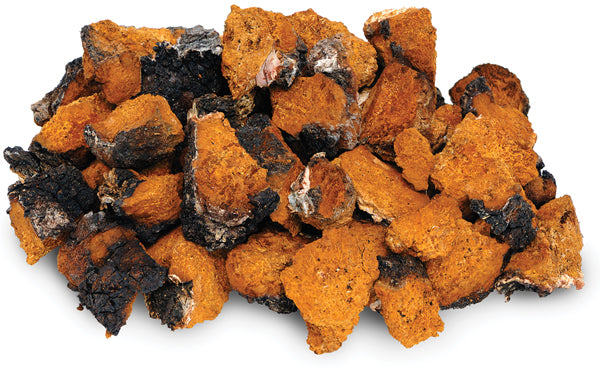
This fungus has gained worldwide acclaim as one of the most sought-after medicinal mushrooms, earning it the title of "King of Medicinal Mushrooms."
The Chaga mushroom's royal reputation stems from its traditional use in supporting general wellbeing. As one of Earth's richest sources of antioxidant compounds, this natural product has been historically valued in various wellness practices:
- Historically used in traditional digestive practices
- A source of antioxidant compounds
- Historically associated with vitality practices
- Historically used in traditional skin practices
- Traditionally used to support general wellbeing
- Historically valued in traditional wellness practices
- Traditionally used to support general wellbeing
- Traditionally used to support general wellbeing
- Traditionally used to support general wellbeing
- Chaga mushrooms have been used in traditional folk medicine.
Chaga tea or extract provides antioxidant compounds, similar to some components found in coffee but without caffeine.
In this article, we delve into the world of Chaga mushrooms, exploring the history, traditional uses, and composition of Chaga mushroom extract, as well as safety considerations.

Chaga Mushroom History
For centuries, the mystical Chaga mushroom has played a crucial role in the lives of people dwelling in the frigid landscapes of Siberia. Heralded as a natural remedy since the 16th century, this remarkable fungus has bolstered the health and well-being of countless individuals navigating the harsh Siberian climate. (1,2)
Though Chaga mushrooms are often associated with Siberia, their traditional uses were first documented by the Persian physician Avicenna in 980 AD. (2)
In times when modern medicine was unavailable, traditional practices including Chaga mushroom were part of Siberian folk traditions.
These ancient healing systems, steeped in wisdom and intuition, serve as powerful reminders of our interconnectedness with nature and its ability to heal us through plants and fungi.
It's truly fascinating how these ancient societies possessed such profound knowledge of the natural world, utilizing the abundant resources around them to maintain health and wellness. Remarkably, as modern science delves deeper into the study of these plants and fungi, research reveals that their traditional uses are backed by the unique compounds they contain.
The captivating story of the Chaga mushroom entered the Western consciousness in the 1960s, thanks to Nobel Prize-winning author Aleksander Solzhenitsyn. His semi-autobiographical novel, The Cancer Ward, featured the incredible Chaga mushroom and sparked widespread interest. (2, 3)
Since that time, the quest for cancer prevention and treatment options has continued to grow, coinciding with a resurgence of interest in medicinal mushrooms. The powerful compounds found in Chaga mushrooms have been the subject of extensive research since the mid-20th century, further solidifying their role as a potent natural remedy.

Where Can I Find Chaga Mushroom?
The captivating Chaga mushroom (Inonotus obliquus) thrives primarily on birch trees across high-latitude regions worldwide, including Western Siberia, Canada, North America, Finland, Poland, China's Heilongjiang and Jilin provinces, and Japan's Hokkaido. Each of these distinct locations boasts its own unique history and application of this remarkable fungus.
The Chaga mushroom's life cycle is nothing short of mesmerizing. While some may argue whether it's a parasitic fungus or a mutually beneficial partner with its host tree, one thing remains clear: lab-grown Chaga simply can't replicate the crucial compounds it derives from living on birch trees, such as betulin and betulinic acid.
These essential triterpenoid compounds not only grant the Chaga mushroom its distinctive rich, bitter flavour but also provide a plethora of other advantages. The birch tree itself is widely recognised for its medicinal properties, and it is this symbiotic relationship that endows Chaga with its well-deserved title: King of Medicinal Mushrooms.
Chaga mushrooms have been traditionally used in Russia since the 16th century, where they were brewed into tea as part of folk medicine practices.
Understanding Chaga
Often mistaken for a mushroom, Chaga is actually a highly prized sclerotium or woody canker, primarily composed of wood fibre rather than mycelium. As it grows on birch trees, Chaga concentrates valuable medicinal compounds found in birch, such as betulin and betulinic acid, within its sclerotium.
Though Chaga does produce a fruiting body, it is seldom observed by mushroom enthusiasts. This elusive fruiting body only emerges when the host tree dies, typically appearing at the base or trunk of the tree.
Chaga Mushroom in Taoist and TCM Traditions
Esteemed in Asian herbal traditions, Chaga has been historically valued and is considered a significant herb in these practices.
In the mystical world of Taoism, Chaga mushrooms are cherished as a potent Qi tonic that also nourishes the Three Treasures of tonic herbalism—Jing, Qi, and Shen.
Jing, our primal essence and life-force energy, is our inborn blueprint and power source. Our choices of diet and lifestyle either enrich and protect our Jing or deplete it over time. By fortifying Jing energy, Chaga extract helps preserve our vitality, ensuring optimal health and longevity, in line with Taoist principles.
Western understanding links Jing energy to kidney and adrenal health, weaving it into our knowledge of adrenal burnout, stress, and dwindling energy levels.
Qi, or Chi, represents our daily energy levels, determined by the food, air, and water we consume. Abundant Qi replenishes Jing, enhancing our vitality. However, if Qi is regularly depleted, our body relies on its precious Jing reserves, leading to exhaustion, burnout, and chronic illness.
Shen, the third treasure, embodies our spirit, illuminating our aura, mood, and happiness. A robust Jing energy bolsters our Shen, allowing us to emanate luminous energy and light into the world.
In Taoism, the harmonious interplay of the three treasures—Jing, Qi, and Shen—is the cornerstone of a long, healthy life. Chaga mushroom emerges as a formidable tonic, nurturing and fortifying all three treasures.
Chaga, like other mushrooms, has been used in traditional wellness practices.
Nutrition Standards
Chaga mushroom is a source of various nutrients including amino acids such as glutamic acid.
Chaga mushrooms contain various minerals including potassium, calcium, silicon, iron, magnesium, copper, germanium, and zinc.
Chaga mushrooms are a source of zinc, an essential mineral.
Zinc is an essential mineral found in Chaga mushrooms.
Chaga mushrooms also contain germanium, a trace element that has been traditionally valued.

Chaga in Traditional Practices
Chaga extract has been traditionally used and is a source of antioxidant compounds.
Chaga mushroom contains polysaccharides like beta-glucans and proteoglycans that have been traditionally valued.
Chaga mushrooms contain polysaccharides that have been traditionally used.
Chaga in Traditional Practices
Chaga mushroom contains triterpenoids that have been used in traditional folk medicine.
Chaga extract contains ergosterol and ergosterol peroxide, compounds found in traditional preparations.
Chaga has been used in various traditional practices.
Please note: Chaga mushroom (or any other supplement) should never replace conventional cancer therapies. Always consult with your doctor for professional medical advice before using Chaga extract alongside any cancer treatments to avoid unexpected contraindications.

Chaga in Digestive Traditions
Chaga mushrooms contain polysaccharides that have been used in traditional digestive practices.
Chaga mushrooms have been traditionally used to support general wellbeing.
Chaga mushrooms have been historically used in traditional digestive practices. Chaga extract has been traditionally valued.
Chaga and General Wellbeing
Chaga mushrooms have been traditionally used to support general wellbeing.
Chaga extract contains triterpenoid compounds that have been traditionally valued.
Chaga as a Source of Antioxidants
Chaga mushroom has a high ORAC (Oxygen Radical Absorbance Capacity) value of 146,700, indicating it is a source of antioxidant compounds.
Chaga mushroom contains polyphenols and melanin, compounds that have been traditionally valued.
Chaga mushroom contains compounds that have been traditionally used.
Chaga mushroom is a source of antioxidant compounds.
Chaga mushrooms contain compounds that have been traditionally used to support general wellbeing.

Chaga and Skin Traditions
Chaga mushrooms contain polysaccharides that have been used in traditional skin practices.
Chaga mushrooms contain antioxidant compounds that have been traditionally valued.
Chaga extract contains antioxidant compounds that have been traditionally used.
Chaga has been used in traditional skin practices.

Chaga in Traditional Practices
Chaga mushrooms contain melanin and other compounds that have been traditionally valued.
Chaga mushrooms contain melanin, a compound that has been traditionally used.
Chaga extract contains melanin, a compound that has been traditionally valued.
Chaga mushrooms contain ergosterol, a compound found in traditional preparations.
Chaga in Traditional Practices
The pineal gland, a tiny, pine cone-shaped endocrine gland nestled deep within our brain, has fascinated researchers and philosophers for centuries. Known as the "third eye," the pineal gland is responsible for producing melatonin and regulating reproductive hormones.
The enigmatic pineal gland has even captivated the brilliant French mathematician René Descartes, who believed it to be the "principal seat of the soul" and the origin of all thoughts.
Chaga mushroom powder has been traditionally used.
Chaga mushrooms contain melanin and have been traditionally used in various wellness practices.
Traditional Uses of Chaga
Chaga mushrooms, sometimes called the "King of Mushrooms," have been traditionally used in various ways:
- Traditionally used to support general wellbeing.
- Historically associated with wellness practices.
- Traditional use includes general wellbeing support.
- Traditional practices have incorporated Chaga for general health.
- Historically used in traditional wellness practices.
- Traditionally used to support general wellbeing
- Traditionally associated with supporting general wellbeing.
- Traditionally used to support general wellbeing
- Traditionally used to support general wellbeing
Chaga mushroom has been traditionally valued in various wellness practices.

Finding The Right Source to Buy Chaga Mushroom
Not all Chaga mushroom products are created equal. Many functional mushroom products on the market contain cheap, ineffective mycelium grown on grain, resulting in lower concentrations of vital compounds like beta-glucans and triterpenes.
This is particularly true for Chaga mushrooms. Lab-grown Chaga lacks essential medicinal compounds and metabolites found in its wild counterpart, such as betulin and betulinic acid. The most potent Chaga mushrooms are traditionally harvested from the pristine forests of Siberia, Russia, with those closest to the northern lights believed to offer superior quality and potency.
When purchasing Chaga extract, opt for a high-quality, dual-extracted supplement. This process combines hot water and alcohol extraction, unlocking the full spectrum of Chaga's nutraceutical compounds. Hot water extraction yields immune-supporting compounds like polysaccharides and beta-glucans, while alcohol extraction isolates nutrients like triterpenoids and sterols.

Northern Lights Impacting Wild Chaga Quality
Chaga mushrooms thrive in the most unforgiving and demanding environments. According to Dr. Karl Maret, a renowned biomedical engineer and energy medicine expert, the Chaga mushrooms with the most remarkable health benefits are harvested from the high northern regions of our planet.
Northern Chaga mushrooms growing in latitudes above 45 degrees have been traditionally valued, with some traditions associating them with the northern lights.
The solar winds entering Earth's atmosphere in the north are incredibly powerful, leading to an enhanced level of the subtle energy known as Qi. This mysterious force is most potent in the very areas where the captivating northern lights dance across the sky – and it's here that the finest Chaga mushrooms flourish.
Nature's marvelous interplay of solar winds and sunlight energizes trees, plants, and animals. While plants harness solar energy through photosynthesis, mushrooms, lacking chlorophyll, rely on lunar energy for their growth and caloric needs.
In northern regions, birch trees produce Chaga mushrooms that have been traditionally valued in Siberian practices.
Chaga mushrooms from different regions may vary in their composition.

Chaga Tea Recipe
Incorporate Chaga mushroom powder into your daily routine by blending a mere 1-3 grams into a warm, inviting beverage such as your go-to tea, delectable chai, or comforting hot chocolate.
The untamed essence of wild Chaga mushroom powder offers a tantalizing bitter taste, balanced by delicate notes of vanilla.
To fully appreciate the traditional Chaga tea experience, simmer raw Chaga chunks at a gentle temperature for a minimum of one hour, extending to 6-8 hours if desired. Keep the temperature below 60°C (140°F) to safeguard the precious nutrients, sterols, enzymes, and proteins from harm.
Once your Chaga tea has reached perfection, strain and relish the soothing beverage at your preferred temperature. Don't forget to reuse those Chaga chunks until the liquid loses its rich, coffee-like hue.
Average Dosage Recommendation of Chaga Tea
Wondering how much Chaga tea to savor each day? If you're a Chaga novice, ease into it with a single cup in the morning, observing how your body responds. For most healthy adults, this gentle introduction is safe and enjoyable.
As you acclimate, feel free to indulge in up to three cups daily, always heeding your body's cues. If you're sensitive to herbs, a youngster, or a seasoned individual over 60, consider starting with a smaller amount and gradually increasing your intake as your body adapts.
Important Precautions to Remember
Though Chaga hasn't received official medical recognition from the FDA in the United States or the TGA in Australia, its potential health benefits remain intriguing.
Although numerous animal, cellular, and chemical studies have been conducted, the lack of human trials suggests a limited interest, possibly because Chaga cannot be patented as a medicine by pharmaceutical companies. Nevertheless, Chaga mushrooms continue to thrive as a health supplement and food source.
Always remember to consult your physician for expert advice on potential health risks or side effects, considering your unique health condition and any possible drug or supplement interactions, especially if you are pregnant or breastfeeding.
While the side effects of Chaga mushrooms are not absolute, it's essential to confer with your doctor before incorporating them into your regimen. Note that Chaga may interfere with blood-thinning medications like aspirin and warfarin, posing a bleeding risk. Additionally, it has been traditionally used to support general wellbeing, making it important to be cautious when taking diabetes medications.
In one documented case, a 72-year-old Japanese woman with liver cancer experienced kidney failure due to Chaga's high oxalate content after consuming large quantities of Chaga mushroom powder for six months.
Understanding Chaga's Traditional Uses
Research continues to explore the composition of Chaga mushrooms.
In conclusion, Chaga has been traditionally used in various wellness practices.
Chaga mushroom powder has been traditionally used in various practices.
References
Mushrooms: Biological characterization, antioxidant properties and interactions with human health - https://www.researchgate.net/profile/Patricia_Molz/publication/292243274
Shikov. Et al. 2014. Medicinal Plants of the Russian Pharmacopoeia; their history and applications. https://doi.org/10.1016/j.jep.2014.04.007
Isolation and characterization of a novel platelet aggregation inhibitory peptide from the medicinal mushroom, Inonotus obliquus - https://www.ncbi.nlm.nih.gov/pubmed/16289471
Review on Chaga Medicinal Mushroom, Inonotus obliquus (Higher Basidiomycetes): Realm of Medicinal Applications and Approaches on Estimating its Resource Potential - https://pdfs.semanticscholar.org/86ce/93f3af936c443a5c5ff0dcf35ae221ff546d.pdf
Roles of Zinc Signaling in the Immune System - https://www.hindawi.com/journals/jir/2016/6762343/
Therapeutic effects of organic Germanium - https://www.sciencedirect.com/science/article/abs/pii/0306987788901016
Wasser, SP. 2002. Medicinal mushrooms as a source of immune-supporting and immunomodulating polysaccharides. DOI 10.1007/s00253-002-1076-7
Wold. 2020. Bioactive triterpenoids and water-soluble melanin from Inonotus obliquus (Chaga) with immunomodulatory activity. https://doi.org/10.1016/j.jff.2020.104025
Progress on Understanding the Traditional Uses of Medicinal Mushroom: Inonotus Obliquus - http://www.koreascience.or.kr/article/JAKO201321365237667.page
Traditional uses of extracts and compounds from the mushroom Inonotus obliquus - https://www.ncbi.nlm.nih.gov/pubmed/23561137
Anti-diabetic effects of Inonotus obliquus polysaccharides in streptozotocin-induced type 2 diabetic mice and potential mechanism via PI3K-Akt signal pathway - https://pubmed.ncbi.nlm.nih.gov/28954386/
Antihyperglycemic and anti lipid peroxidative effects of dry matter of culture broth of Inonotus obliquus in submerged culture on normal and alloxan-diabetes mice - https://pubmed.ncbi.nlm.nih.gov/18434051/
Phytochemical characteristics and hypoglycaemic activity of fraction from mushroom Inonotus obliquus - https://onlinelibrary.wiley.com/doi/abs/10.1002/jsfa.3809
Beneficial effects of the ethanol extract from the dry matter of a culture broth of Inonotus obliquus in submerged culture on the antioxidant defence system and regeneration of pancreatic beta-cells in experimental diabetes in mice - https://www.ncbi.nlm.nih.gov/pubmed/20397104
ORAC Values: Antioxidant Values of Foods & Beverages - https://www.superfoodly.com/orac-values/
Antimutagenic effects of subfractions of Chaga mushroom (Inonotus obliquus) extract - https://www.sciencedirect.com/science/article/abs/pii/S1383571808003008
Isolation and characterization of a novel platelet aggregation inhibitory peptide from the medicinal mushroom, Inonotus obliquus - https://pubmed.ncbi.nlm.nih.gov/16289471/
Chaga mushroom-induced oxalate nephropathy - https://www.dustri.com/article_response_page.html?artId=10154&doi=10.5414/CN107655&L=0
Powell, Martin. Medicinal Mushrooms - A Clinical Guide. Mycology Press. Kindle Edition.
Wolfe, David. Chaga: King of the Medicinal Mushrooms. North Atlantic Books.
Eliza is a health, mindset and abundance enthusiast obsessed with helping millennial's experience living at a higher level.
Her relaxed new age approach and understanding of nutrition and wellness sees her empowering and coaching individuals to understand that their health is the ultimate asset. Upon experiencing first hand the power and place of tonic herbalism and medicinal mushrooms in everyday life, Eliza’s become an adaptogen fangirl and feels their utilisation in today’s world is essential for abundance and wellbeing.
This information is for educational purposes only and is not intended to diagnose, treat, cure, or prevent any disease. Consult your healthcare practitioner before use.


