



Cordyceps Side Effects and Safety: What Human Trials Show
By Peter Orpen, Co-Owner, Teelixir
Cordyceps has been used in traditional medicine for centuries, with modern research exploring its safety profile. This article covers traditional use patterns, who should avoid it, and doses that have been studied.
Cordyceps Side Effects and Safety: What Human Trials Show
Most supplement brands skip the safety section. We find that strange — if a supplement is going to earn a place in your daily routine, knowing what human trials actually show about adverse effects is at least as important as knowing what the benefits data shows.
Traditional use and modern research suggest cordyceps has a favourable safety profile. The absence of serious adverse events in human studies at doses of 1-3g/day is consistent with its long history of use in traditional medicine.
Safety Evidence Snapshot
3 mo
Longest safety RCT in healthy adults
0
Serious adverse events reported
1-3g
Safe dose range confirmed
2026 SR
Most recent safety review
What the Human Safety Trials Actually Found
A 3-month randomised, placebo-controlled pilot study in 49 healthy adults found Cordyceps cicadae safe and well-tolerated at doses used in studies, with no serious adverse events and no clinically significant changes in haematological, renal, or hepatic markers throughout the study period (PMID: 32702252). Blood pressure, glucose, lipids, and renal function remained normal. This is direct human safety evidence, not extrapolation from animal models.
A 2026 systematic review of clinical evidence for Cordyceps militaris confirmed no serious adverse events at 1-3g/day across multiple human trials (PMID: 41432716). The review covered immunomodulatory trials (PMID 26284906, PMID 38580687) and found that liver, kidney, and blood parameters did not differ between cordyceps and placebo groups in any included study.
The 12-week immune RCT in 79 healthy adults (PMID: 26284906) specifically noted "no adverse events" in the cordyceps group versus placebo. The 8-week immune RCT (PMID: 38580687) confirmed safety indices including liver function, kidney function, and complete blood count did not change.
In the clinical kidney disease literature, meta-analyses of multiple RCTs in patient populations found that adverse drug reaction rates were actually lower in the cordyceps groups than in the control groups (PMID: 39101133) — suggesting cordyceps may have a protective rather than harmful effect on the organ systems most commonly monitored for supplement safety.
"No serious adverse events were reported at 1-3g/day across multiple human trials. Safety indices including liver, kidney, and blood parameters did not differ from placebo." — Based on PMID 41432716 (2026 systematic review)
Known Contraindications and Cautions
The traditional use safety profile has genuine limits. Here's who should not take cordyceps without medical guidance — and who should consider it carefully.
| Population | Guidance |
|---|---|
| Healthy adults (18-65) | Traditionally used at 1-3g/day. Human trials have studied these doses with monitoring of liver, kidney, and blood markers. |
| People taking immunosuppressants | Not recommended without medical supervision. Cordyceps activates NK cells and modulates cytokines — theoretical interaction with immunosuppressive medications. |
| People with autoimmune conditions | Consult your healthcare professional. Th1/Th2 modulation may not be appropriate for all autoimmune presentations. |
| Pregnant or breastfeeding | Insufficient safety data. Not recommended. Consult your healthcare professional. |
| People on blood thinners (warfarin etc.) | Theoretical interaction possible via adenosine pathway. Consult your healthcare professional before use. |
| Children | No safety data in paediatric populations. Not appropriate. |

Heavy Metal and Contamination Risk
Mushroom supplements — particularly those grown in China — carry a contamination risk that's worth addressing directly. Fungi bioaccumulate heavy metals from their growing substrate. Reputable suppliers mitigate this through substrate control and batch testing; disreputable ones don't.
For Teelixir's Cordyceps CS-4, batch C24050306 (May 2024) was tested for lead, arsenic, cadmium, and mercury. Results: all below specification limits (lead ≤3.0mg/kg, arsenic ≤2.0mg/kg, cadmium ≤1.0mg/kg, mercury ≤0.1mg/kg). Microbiological tests for E. coli and Salmonella returned negative. These tests are performed at doses used in studies, not at extreme concentrations.
When evaluating any cordyceps supplement, you should ask: does the supplier provide a Certificate of Analysis (COA) with heavy metal testing results for each batch? The answer tells you a great deal about the quality of the supply chain.
What This Means in Practice
For healthy adults, cordyceps at 1-3g/day has been used in traditional medicine with a better-documented safety record than many common supplements. It has been taken daily for at least 3 months (the duration of the longest healthy adult safety RCT) with traditional use suggesting no liver, kidney, blood pressure, or haematological changes are likely.
Traditional use suggests starting with 1g/day and increasing to 2g/day after 2-4 weeks. Some people choose to take a month off every 3-4 months as a precautionary practice. If you notice any digestive discomfort, traditional approaches recommend reducing the dose or taking it with food.
Cordyceps has traditionally been avoided during pregnancy and breastfeeding, and traditional medicine suggests caution with immunosuppressive medications. If you are managing a chronic health condition, consult your healthcare professional before adding cordyceps to your routine.
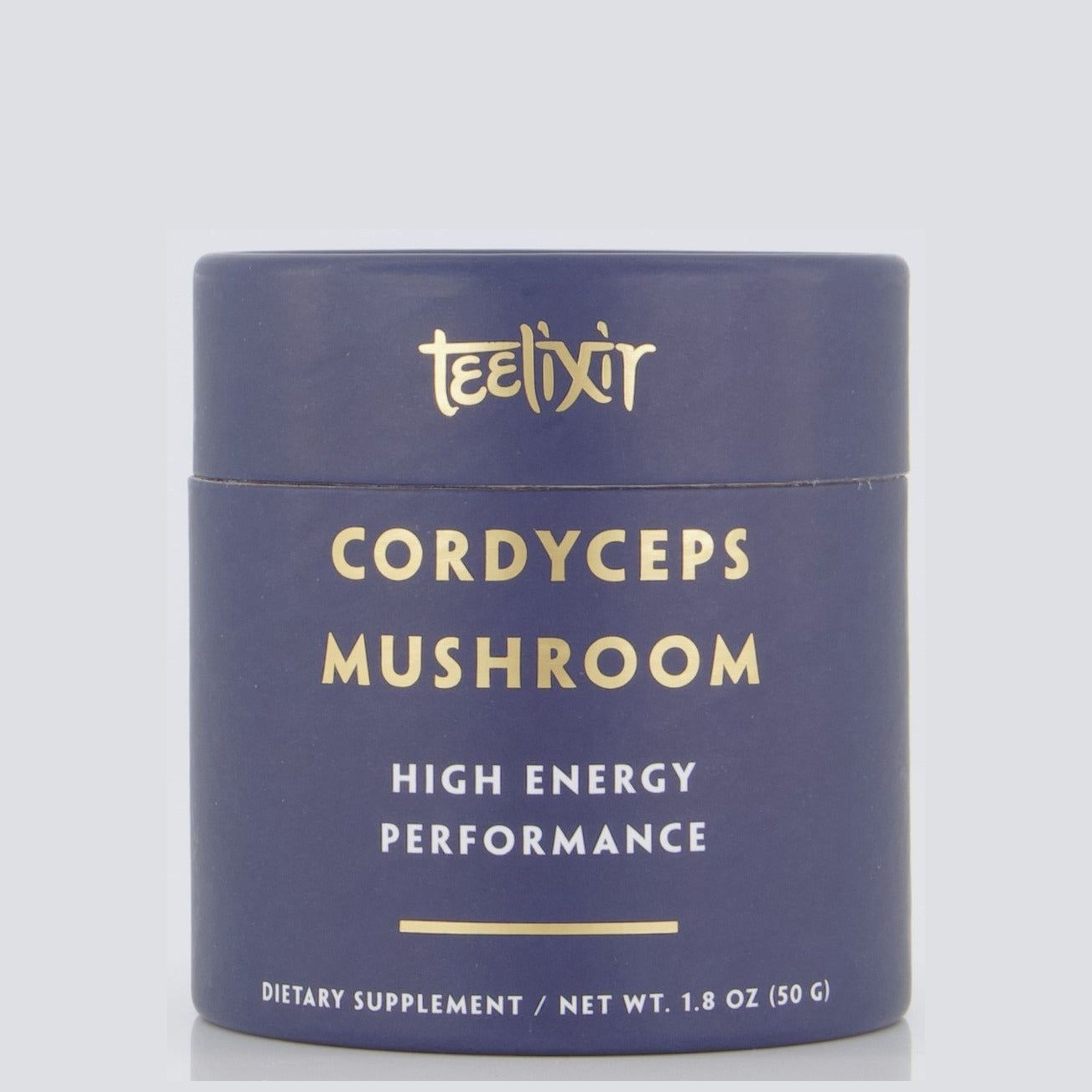
Teelixir Organic Cordyceps — Batch-Tested, COA Available
Heavy metal tested, E. coli/Salmonella negative, 31.3% beta-glucan. From $42.
Frequently Asked Questions
Are there any side effects of cordyceps?
Human trials have not found significant side effects at 1-3g/day in healthy adults. The 3-month safety RCT (PMID: 32702252) and the 2026 systematic review (PMID: 41432716) both confirmed no clinically significant changes in liver, kidney, or blood markers. Some people report mild digestive discomfort when taking cordyceps on an empty stomach — taking it with food typically resolves this.
Can cordyceps affect liver function?
Human trials have found no clinically significant changes in liver function markers (ALT, AST) at doses of 1-3g/day. In the kidney disease meta-analysis (PMID: 39101133), cordyceps groups actually had lower adverse drug reaction rates than control groups. At standard supplement doses, liver effects appear to be neutral to mildly protective based on available human data.
Can I take cordyceps with other medications?
For most common medications (antihypertensives, statins, vitamins), no interaction data exists — meaning no evidence of harm, but also no evidence of safety. For immunosuppressive drugs, anticoagulants, and medications with narrow therapeutic windows, consult your healthcare professional before adding cordyceps. This is especially important for organ transplant recipients taking immunosuppressants.
Is cordyceps safe long-term?
The longest healthy adult safety trial ran for 3 months with no adverse findings. Longer-term safety data in healthy adults is not available. The clinical kidney and cancer literature shows cordyceps being used over 3-4 months in patient populations without safety concerns — but these are medically supervised contexts. For healthy adults, 3-month cycles with periodic breaks is a prudent approach given the current evidence base.
What is the maximum safe dose of cordyceps?
Human trials have used up to 6g/day in clinical contexts (cancer patients, PMID: 38484953) with no serious adverse events. For healthy adults, 1-3g/day is the well-documented safe range. Doses above 3g/day have limited healthy adult data — not recommended without medical supervision. At doses used in studies of 1-3g/day, the safety profile is consistently clean across multiple trials.
See our cordyceps dosage guide for specific protocols, or read the full evidence review covering all 28 human studies.
Teelixir Organic Cordyceps — Batch COA, Heavy Metal Tested
31.3% beta-glucan, GMO free, E. coli and Salmonella negative. Transparent supply chain. From $42.
Shop Cordyceps →This article is for educational purposes only and does not constitute medical advice. Cordyceps supplements are not intended to diagnose, treat, cure, or prevent any disease or health condition. Always consult your healthcare professional before commencing any new supplement regimen, particularly if you are pregnant, breastfeeding, have an existing medical condition, or are taking prescription medication. Individual results may vary.


