



Ashwagandha and Magnesium Together: Stack Benefits & Dosing
Why Most People Get the Ashwagandha-Magnesium Stack Wrong
Here is the most common mistake we see: someone reads that ashwagandha helps with stress and magnesium helps with sleep, so they start taking both at the same time, at the same dose, and wonder why the results are underwhelming. The issue is not the combination itself — it is one of the most logical supplement stacks available. The issue is misunderstanding which problem each ingredient actually solves.
We call this The Dual Calm Gap — the space between what people think relaxation is (one thing) and what it actually involves (two distinct systems that need separate support). For broader adaptogen context, see our guide to adaptogens for stress.
Evidence Snapshot
Ashwagandha: Grade A — 3 meta-analyses, 55+ RCTs in humans
Magnesium for sleep: Grade B — Multiple RCTs, strongest in deficient populations
Combined stack: No direct RCT exists — rationale based on complementary, non-overlapping mechanisms
Understanding The Dual Calm Gap
Your body has two distinct relaxation systems, and most people only address one.
The first is your hormonal stress response — the HPA axis that regulates cortisol. When this system stays activated (as it does in chronic stress), your body remains in a low-grade fight-or-flight state regardless of how tired you feel. Ashwagandha has been traditionally used to support this system.
The second is your neuromuscular calming system — GABA receptor activity and the mineral-dependent processes that allow muscles to physically release tension. This is magnesium’s territory.
The Dual Calm Gap exists because these two systems operate independently. You can address cortisol levels with ashwagandha and still have tight shoulders and a clenching jaw because your magnesium status is inadequate. Or you can supplement magnesium and still lie awake because cortisol is keeping your HPA axis on high alert.
Addressing both simultaneously is what makes this combination logical — and why stacking them thoughtfully outperforms taking either alone.
What the Research Says About Each Ingredient
Ashwagandha and Stress Reduction
A 2024 systematic review and meta-analysis of 558 participants found that ashwagandha supplementation was associated with reductions in both stress and anxiety scores compared to placebo (PMID: 39348746). A separate 2025 meta-analysis reported measurable cortisol reduction, though notably found no corresponding reduction in perceived stress — meaning the hormonal change may occur independently of subjective feelings (PMID: 40746175).
For sleep specifically, a 2021 meta-analysis found ashwagandha was associated with improvement in both sleep quality and sleep onset latency across five RCTs (PMID: 34559859). A double-blind RCT of 80 participants (both healthy volunteers and insomnia patients) observed these improvements using 300 mg of root extract twice daily over 8 weeks (PMID: 32818573, n=80).
As noted in this meta-analysis, no significant effect on perceived stress scores was found — cortisol levels dropped measurably, but participants did not report feeling subjectively calmer (PMID: 40746175). For a detailed breakdown of ashwagandha’s stress research across 1,584 studies, see our comprehensive research overview.
“A 2025 meta-analysis confirmed significant cortisol reduction, though notably found no corresponding reduction in perceived stress — meaning the hormonal change is measurable even when people do not consciously feel calmer.”
— PMID: 40746175
From Our Formulations
The ashwagandha clinical trials cited above predominantly used root extract — not leaf, not a root-leaf blend. This distinction matters. Our ashwagandha is a 10:1 dual extract (hot water and ethanol), using root only, with a verified withanolide content of 2.5%. Many commercial ashwagandha products achieve higher withanolide percentages by including leaf material or using non-organic extraction methods. We maintain 2.5% because that threshold preserves the full-spectrum profile of the root while meeting the concentrations used in clinical research.
Every batch is ACO (Australian Certified Organic) certified, third-party tested for heavy metals, and microbiologically screened (E. coli and Salmonella negative). The 10:1 ratio means 10 kilograms of raw root produces 1 kilogram of extract — concentrating the bioactive compounds without isolating them from the root’s supporting matrix.
Magnesium and Neuromuscular Relaxation
Magnesium is a cofactor in over 300 enzymatic reactions, including GABA receptor function — the same calming neurotransmitter system targeted by pharmaceutical sedatives. Subclinical magnesium deficiency is surprisingly common in modern diets, particularly among people under chronic stress, as stress itself increases urinary magnesium excretion.
The evidence for supplemental magnesium improving sleep quality is strongest in populations with low baseline magnesium status. In people with adequate magnesium intake, additional supplementation provides diminishing returns. This is an important distinction the supplement industry often glosses over.
A 2024 randomised controlled trial observed that 1 gram of magnesium L-threonate daily for 21 days was associated with improvements in deep sleep scores, REM sleep, and daytime mood compared to placebo in 80 participants. A larger 2025 RCT of 155 adults taking 250 mg magnesium bisglycinate reported reductions in insomnia symptoms at week four, though the effect size was small — with greater improvements seen in those with lower baseline dietary magnesium. A 2024 systematic review of 15 studies suggested supplemental magnesium may be useful for mild anxiety and insomnia, particularly in those with low magnesium status at baseline.
Notably, not all forms perform equally. A 2017 trial of magnesium oxide for nocturnal leg cramps did not demonstrate superiority over placebo for either cramp frequency or sleep quality (). An earlier 2010 study found that sleep quality showed no difference between magnesium and placebo groups — both improved equally (). A systematic review from the same year noted that existing evidence quality remains poor, with only ‘suggestive’ support for magnesium in anxiety-vulnerable populations ().
The ashwagandha evidence cited above comes entirely from human RCTs and meta-analyses. For magnesium, the clinical trial evidence is also human, though the mechanistic explanations — GABA receptor modulation and enzymatic cofactor roles — are largely derived from preclinical research. Human evidence is limited to supplementation outcome trials rather than mechanistic studies.
What This Means in Practice
The Dual Calm Gap tells us something practical: if your relaxation problems involve both mental racing and physical tension, a single supplement is probably only addressing half the issue.
Consider this pattern. You lie down exhausted but your mind will not stop. Your shoulders are locked. Your jaw aches. You fall asleep eventually but wake unrefreshed. This is the Dual Calm Gap in action — your hormonal stress system and your neuromuscular system are both stuck in activation mode.
Ashwagandha addresses the cortisol component over weeks of consistent use. Magnesium addresses the GABA and muscle relaxation component, often with faster noticeable effects. Together, they close the gap from both sides.
Should YOU Stack Ashwagandha and Magnesium?
| Your Situation | Verdict | Why |
|---|---|---|
| Chronic stress + poor sleep + muscle tension | Strong candidate | Both systems likely need support |
| Stress-driven insomnia, no physical tension | Start with ashwagandha | Cortisol may be the primary issue |
| Muscle cramps, restless legs, jaw clenching | Start with magnesium | Mineral deficiency may be the driver |
| Already eating magnesium-rich foods daily | Ashwagandha alone may suffice | Additional magnesium offers diminishing returns |
| On blood pressure or heart medication | Consult your practitioner | Both may influence cardiovascular parameters |
Close The Dual Calm Gap
Our certified organic ashwagandha root extract — the same form used in the clinical trials cited above.
Dosage and Timing Guidance
| Ashwagandha | Magnesium | |
|---|---|---|
| Typical dose | 300–600 mg root extract daily | 200–400 mg elemental magnesium |
| Best timing | Evening, 30–60 min before bed | Evening, with or after dinner |
| Onset | 2–6 weeks for full effect | Days to 2 weeks |
| Best form | Root extract (as used in clinical trials) | Glycinate or threonate for relaxation |
| Avoid | — | Magnesium oxide (poor absorption) |
Our certified organic ashwagandha is the same root extract type used in the clinical trials referenced above. We grow and formulate with full traceability from farm to finished product.
Practical tip: If starting both for the first time, begin with ashwagandha alone for 2–3 weeks, then introduce magnesium. This way you can gauge the individual contribution of each.
Safety and Interactions
Both ashwagandha and magnesium have strong safety profiles in healthy adults at standard doses. A dedicated safety trial of ashwagandha root extract in healthy volunteers found no clinically significant adverse effects (PMID: 33338583).
However, be aware of the following:
- Thyroid medication: Ashwagandha may influence thyroid hormone levels. If you are on levothyroxine or similar medication, discuss with your prescriber before starting.
- Blood pressure medication: Both ashwagandha and magnesium have traditionally been used to support general wellbeing. Combined with antihypertensive drugs, monitor for excessive drops.
- Magnesium and medications: Magnesium can reduce the absorption of certain antibiotics and bisphosphonates. Separate dosing by at least 2 hours.
- Pregnancy and breastfeeding: Ashwagandha is not recommended during pregnancy or breastfeeding due to insufficient safety data. Avoid if you are pregnant unless specifically directed by your healthcare provider.
- High-dose magnesium: Doses above 400 mg (particularly citrate or oxide forms) may cause loose stools. Start at 200 mg and adjust.
- Immunosuppressant therapy: This stack is not suitable for individuals on immunosuppressant therapy without medical supervision, as ashwagandha may potentially influence immune markers.
Frequently Asked Questions
Can you take ashwagandha and magnesium together?
Yes — ashwagandha and magnesium are commonly combined because they address different systems. Ashwagandha targets the HPA axis and cortisol; magnesium supports GABA receptor activity and neuromuscular relaxation. There is no known interaction between them. Taking both in the evening 30–60 minutes before bed is the most practical approach.
What are the benefits of magnesium and ashwagandha together?
Together, they target the two distinct relaxation systems most people overlook. Ashwagandha has been traditionally used to support stress management, addressing the hormonal driver of stress. Magnesium supports GABA receptor function and may help muscles physically release tension — often noticeable within days. Combined, they address both sides of what we call The Dual Calm Gap: the hormonal and the neuromuscular.
Which magnesium pairs best with ashwagandha?
Magnesium glycinate is the most commonly recommended form for this stack. It has good bioavailability, minimal digestive side effects, and is well-suited to evening use for relaxation and sleep. Magnesium L-threonate is a second option with emerging evidence for cognitive benefits. Avoid magnesium oxide — its absorption rate is significantly lower and it is unlikely to provide meaningful relaxation support.
Should I take ashwagandha and magnesium at the same time?
Yes, taking them together in the evening is a common and practical approach. Both are associated with relaxation and sleep support, and there is no known reason to separate them. A typical protocol is 300–600 mg ashwagandha root extract plus 200–400 mg elemental magnesium (as glycinate), taken 30–60 minutes before bed. If you are starting both for the first time, consider introducing ashwagandha for two to three weeks first so you can gauge each ingredient individually before combining.
Does the ashwagandha-magnesium stack help sleep?
Both ingredients have research supporting sleep benefits. A 2021 meta-analysis of five RCTs found ashwagandha was associated with improved sleep quality and reduced sleep onset latency (PMID: 34559859). A 2025 RCT of 155 adults taking 250 mg magnesium bisglycinate reported reductions in insomnia symptoms by week four, with stronger effects in those with lower baseline dietary magnesium. Combined, they may help support relaxation pathways involved in sleep: ashwagandha has been studied for stress modulation, while magnesium plays a role in neuromuscular relaxation. Many users report benefits after four to six weeks of consistent use.
Closing The Dual Calm Gap
The Dual Calm Gap is the reason so many people try one relaxation supplement, see partial results, and conclude that natural approaches do not work. The reality is more nuanced: stress and tension involve separate physiological systems, and addressing only one leaves the other unresolved.
Ashwagandha has been traditionally used to support stress management. Magnesium may help calm the neuromuscular system. Together, they address the gap — not through some exotic synergy, but through the straightforward logic of targeting two distinct areas with two well-studied solutions. If you are exploring other evening stacking options, our guide to ashwagandha and melatonin covers the sleep signal side of the equation.
Start Closing The Dual Calm Gap Tonight
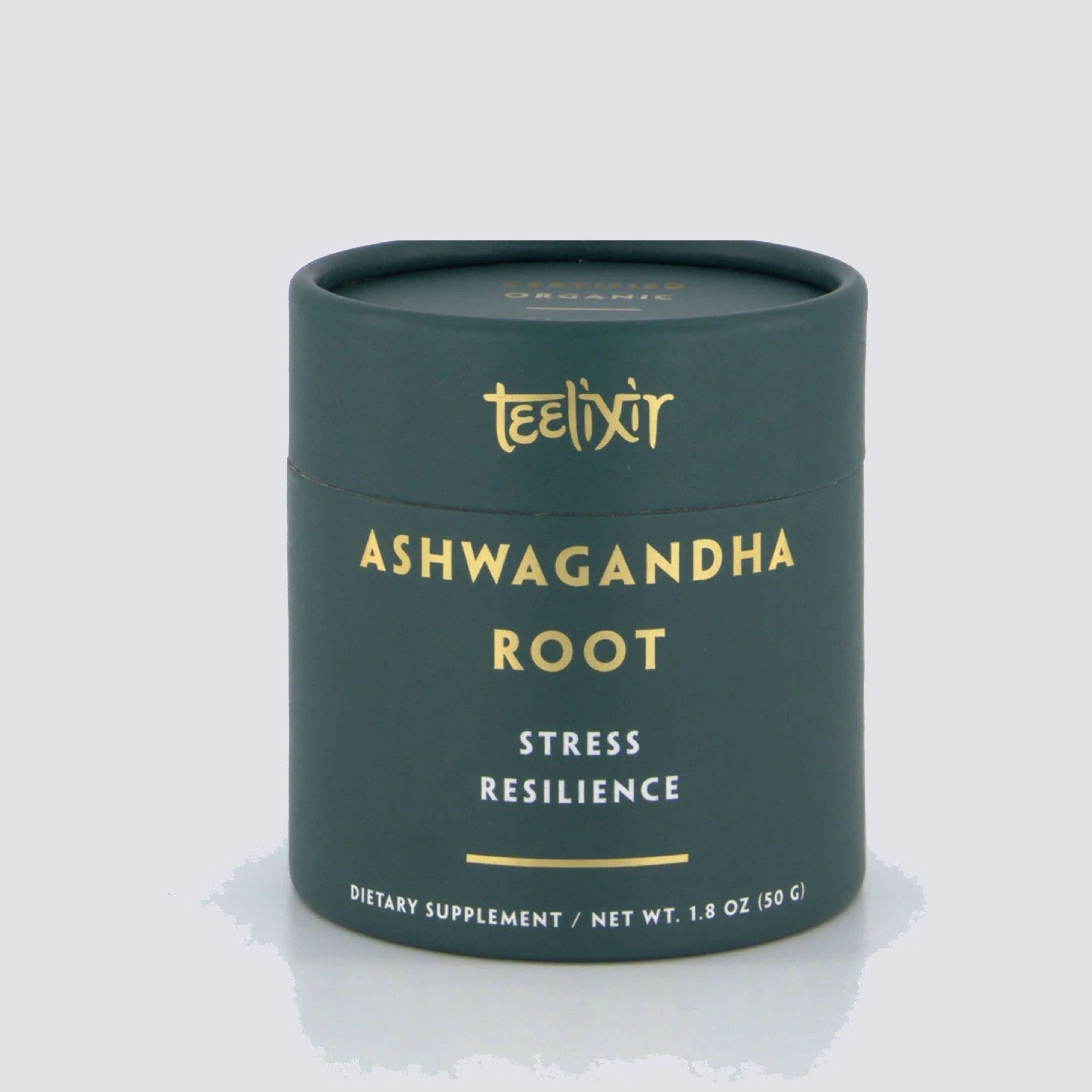
Certified organic ashwagandha root extract. Full traceability from farm to finished product. Take 300–600mg in the evening alongside your magnesium.
Shop Ashwagandha →This product is not intended to diagnose, treat, cure, or prevent any disease. Supplements should not replace a balanced diet. Always consult your healthcare practitioner before starting any new supplement, especially if you are pregnant, breastfeeding, or taking medication This content is for informational purposes only and individual results may vary..
More Ashwagandha Guides
Continue Your Research
- Ashwagandha Benefits: The Complete Evidence-Based Guide
- Ashwagandha Side Effects: The Tolerance Threshold and What 29+ Clinical Trials Reveal
- Ashwagandha for Muscle Strength: The Anabolic Recovery Window Explained
- Ashwagandha for Women: Hormones, Perimenopause, and the Hormonal Seesaw
- Ashwagandha for Gut Health: The Stress-Gut Axis Short-Circuit
- Ashwagandha vs Lion's Mane: The Body-Brain Divide
- Ashwagandha Research: What 1,584 Studies Tell Us


