



Discover the Top 6 Health Benefits of Medicinal Mushrooms
By Peter Orpen, Co-Owner, Teelixir

Functional mushrooms, also known as medicinal mushrooms, such as Reishi, Chaga, Cordyceps, and Lion's Mane, have been identified by Wholefoods market as one of the leading health trends today.
While mushrooms have long remained in the shadows of the Western world, they are now stepping into the limelight!
These ancient mushrooms have been revered for centuries in Eastern traditions as the original superfoods, renowned for their exceptional nutritional value and their traditional use in promoting wellbeing.
Functional mushrooms are making their presence felt in various forms, including superfood latte drinks, smoothies, soups, coffee, tea, and even the cosmetic and beauty care industry. Their unique bitter and earthy flavours complement popular food and beverages like chocolate and coffee.
Mushroom-infused foods and drinks have become increasingly common in favourite restaurants and cafes.
The surging popularity of functional mushrooms brings forth interest in their potential role in supporting general wellbeing.
Teelixir recently conducted a poll revealing the top 6 most favoured health benefits of superfood mushrooms, as chosen by you, in no particular order.
1. Mushrooms Traditionally Used to Support General Wellbeing
Regrettably, many individuals tend to neglect their immune system until they fall ill. Instead of actively supporting general wellbeing, we opt for quick fixes such as supplements, fast-acting pain relievers, and antibiotics that merely mask the symptoms without addressing the underlying causes. This approach may seem convenient in the short term, as we are too busy to be sick in our modern society.
Why is the immune system often overlooked?
While topics like increasing energy, enhancing brain power, nourishing the skin, and supporting gut health may be more captivating, it is important to recognise the potential connection between all of these areas and general wellbeing if we truly want to thrive. Supporting general wellbeing is crucial for long-term health, energy, and vitality. One of the most notable aspects of superfood mushrooms is their traditional use in promoting wellbeing.
Mushrooms contain various compounds and nutrients that are sources of polysaccharides (essential long-chain sugars) and triterpenes, which have been extensively studied. Some research suggests these compounds may play a role in immune function. In nature, mushrooms have developed defence mechanisms against various pathogens, presenting potential areas for further human study.

What's even more intriguing is the presence of specific immune-cell receptor sites in our bodies that are designed to exclusively receive the unique polysaccharide compounds found in fungi. This remarkable fact, along with other evidence, has led some scientists to believe that humans may have developed alongside mushrooms, possibly through co-evolution. After all, humans and mushrooms share approximately 85% of the same ribosomal RNA and nearly 50% of the same DNA.
So, in a way, we are linked to mushrooms by around half of our DNA.
"Mushrooms contain various types of polysaccharides, with the most extensively researched and commonly found ones being the beta-glucans. These natural complex sugars have been traditionally used to support general wellbeing.
What is the functioning mechanism of the immune system?
The immune system comprises diverse cell types, including lymphocytes, macrophages, T-cells, natural killer cells (NK), neutrophils, and cytokines. These cells, which play a role in general wellbeing, are distributed throughout the body and encompass all vital systems. Mushrooms have been traditionally used to support general wellbeing.
Mushrooms have been traditionally used to support general wellbeing.
It is worth noting that different mushroom species may target specific aspects of general wellbeing. Therefore, consuming a variety of mushrooms can promote a comprehensive approach to health.
That is why we developed Mushroom Immunity, our certified organic blend of eight different mushrooms, offering a synergistic combination that may help support overall wellbeing.

What is the most effective mushroom for supporting general wellbeing?
While all functional mushrooms contain compounds of interest, emerging scientific research suggests that Maitake mushroom (Grifola frondosa) may be particularly noteworthy for general wellbeing.
Maitake is a natural powerhouse of polysaccharides, containing distinct fractions such as D-fraction and MD-fraction. Some research suggests it may influence immune cell activity. Additionally, in vitro studies conducted in the United States and Japan have explored its properties.
The significance of mushrooms in supporting the immune system is so significant that we have dedicated an entire blog post to the topic titled "5 Mushrooms Traditionally Used to Support Wellbeing.

Top mushrooms traditionally used to support wellbeing
As previously discussed, medicinal mushrooms contain compounds that have been the subject of extensive scientific research.
- Maitake Mushroom
- Chaga Mushroom
- Reishi Mushroom
- Turkey Tail Mushroom
- Agaricus blazei Mushroom
- Shiitake Mushroom
- Cordyceps Mushroom
Extra Immunity Tip: Pairing mushrooms with vitamin C may be beneficial. Vitamin C is thought to reduce the molecular weight of beta-glucans (polysaccharides) present in medicinal mushrooms, potentially enabling them to more easily penetrate cells.

2. Mushrooms Traditionally Used to Support Stress Response
The detrimental impact of chronic stress on the body is well-documented. It leads to accelerated skin ageing, cognitive decline, weakened immune system, hormonal imbalances, weight gain, mood disorders, and more.
Every day, we encounter various stressors, and our bodies strive to adapt, maintain equilibrium, and promote overall well-being.
The Role of the HPA Axis
To manage stress, the body employs a sophisticated system called the HPA axis. The HPA (hypothalamus-pituitary-adrenal) axis comprises essential glandular components responsible for the body's stress response.
When faced with a stressful situation, such as someone threatening you with a gun, the emotional centre of the brain, known as the amygdala, triggers the hypothalamus to send alarm signals to the pituitary gland. Consequently, the pituitary gland releases hormonal messages to the adrenal gland, prompting the release of stress hormones (such as adrenaline, cortisol, and others). This swift response readies the body for fight or flight, equipping it to handle the imminent stressor(s).
The HPA axis, functioning as an intelligent feedback loop, serves as an excellent survival mechanism during stressful events.
However, in our modern society, where stressors abound—be it a traumatic incident or the accumulation of multiple stressors throughout daily life—the problem lies in the constant activation of this feedback loop.
If we remain under chronic stress, continuously producing stress hormones like cortisol, the adrenals gradually lose their ability to signal the hypothalamus that the stressor has subsided and it is time to recuperate.
Under persistent chronic stress, the HPA axis may experience dysregulation. Some traditional systems utilise "adaptogens" such as Reishi, Chaga, and Cordyceps, which may offer potential supportive properties.

Introducing Mushroom Adaptogens: Exploring the Benefits
Functional mushrooms have gained recognition as "adaptogenic herbs" due to their unique properties.
Adaptogens are currently a popular topic of discussion because of their significant relevance in our society today. Moreover, they have been traditionally used and are believed to produce positive outcomes.
Adaptogens are substances that have been traditionally utilised for centuries in various cultures to support the body during times of stress.

In their natural environment, adaptogens grow under extreme and challenging conditions, acquiring distinctive phytonutrients with adaptogenic properties that enable them to endure high temperatures, extreme cold, high altitudes, and other adverse circumstances.
When we consume adaptogens, we gain similar advantages.
Research suggests that adaptogens may help support the body's response to various stressors while maintaining normal physiological functions.
The use of adaptogenic herbs is generally considered safe when used appropriately. Traditional systems suggest they may help balance the body's energy and support its natural processes.
Engaging in healthy stress reduction practices is crucial for maintaining balance. Just as we employ activities such as yoga, meditation, massage, and deep breathing to restore equilibrium, functional mushrooms (adaptogens) can serve as valuable tools in combating daily stress and promoting a grounded state.
Mushrooms Can Even Enhance Our Stress Management Practices
For centuries, monks and spiritual sages have incorporated Reishi and Lion's Mane mushrooms into their routines to deepen their meditative practices.
Both Reishi and Lion's Mane mushrooms are traditionally used for their stress-relieving and calming effects.
"The Reishi mushroom, scientifically known as Ganoderma lucidum, is widely regarded as the ultimate adaptogen and is traditionally used for its potential ability to help manage stress.
In ancient China, Reishi was extensively used by Taoists to cultivate spiritual energy, alleviate stress, and promote mental tranquillity.
Lion's Mane, scientifically referred to as Hericium erinaceus, is traditionally used for nervous system support. Some research suggests its potential capacity to stimulate Nerve Growth Factor (NGF) production may be relevant to cognitive function.
Scientific research provides evidence supporting further investigation into Lion's Mane's potential role in nervous system support and stress response.
Furthermore, the Maitake mushroom is traditionally used to promote adaptability. Some individuals incorporate Maitake into their dietary regimen for general support during times of stress.
Mushrooms are traditionally used to support wellbeing during stressful periods. Chronic stress is known to affect various aspects of health, with research documenting its potential impacts on brain function and inflammatory markers.
Research suggests that the consumption of Cordyceps mushroom (Cordyceps sinensis) may help modulate certain physiological responses associated with stress.
Here are the top mushrooms known for their stress-reducing properties:
- Reishi Mushroom
- Maitake Mushroom
- Lion's Mane Mushroom
- Cordyceps Mushroom
- Chaga Mushroom

3. Mushrooms Traditionally Used to Support Vitality
With their adaptogenic properties, various superfood mushrooms have been traditionally used to support vitality. Among these, Cordyceps has been particularly valued in Eastern cultures for generations.
The rise in popularity of Cordyceps in the Western world began in 1993, following the exceptional performance of the Chinese National Athletics Championships' women's track and field team. They achieved remarkable success, breaking numerous world records. Subsequently, it was revealed that their secret weapon was a special herbal blend containing Cordyceps mushroom as the primary ingredient.
Consequently, Cordyceps has gained recognition as a potentially beneficial tonic for athletes.
Cordyceps is traditionally used as a rejuvenating tonic, replenishing the profound energy expended during strenuous activities, challenging situations, and the ageing process. It is utilised to support general wellbeing and physical endurance. Scientific studies suggest that Cordyceps may boost energy production, enhance oxygen utilisation, and increase resistance to fatigue.

Cordyceps is traditionally used as a potent lung tonic, thought to support respiratory capacity, optimise oxygen utilisation, and promote endurance and stamina. Regular usage may contribute to supporting the skeletal structure, particularly the lower back, knees, and ankles.
Cordyceps mushroom is traditionally used to support recovery from fatigue, energy depletion, and physical injury.
Moreover, Chaga mushroom has gained recognition as a potentially beneficial mushroom for supporting endurance and stamina, as suggested by numerous online testimonials. Consistent consumption of Chaga mushroom may help elevate energy levels and support endurance.
The adaptogenic properties of Chaga mushroom may facilitate the maintenance of sustained energy levels without excessively stimulating the body. Additionally, Chaga mushroom is traditionally used to augment our fundamental life-force energy, referred to as Jing by Taoists.
To delve deeper into the concept of Jing energy, you can explore the following two blog posts:


Top mushrooms for boosting energy levels
- Cordyceps Mushroom
- Chaga Mushroom
- Reishi Mushroom
Additional Energy Tip: According to Chinese medical theory, individuals experiencing low energy and fatigue are often identified as having a Yin deficiency.
What does Yin mean?
Yin symbolises the physical and fluid aspects of the body. Yin plays a crucial role in nourishing various complex physiological processes within the body, such as blood circulation, hormone regulation, and the lubrication of muscles, tissues, and joints.
From the Chinese perspective, the Yin aspect is highly significant as it enables the body to receive and retain energy.
Excessive stimulation of the sympathetic nervous system or an abundance of Yang activity can lead to burnout, exhaustion of the body's systems, and accelerated ageing.
When experiencing low energy levels, we often tend to rely on energising herbs (Yang tonics) under the assumption that boosting our energy is the solution, rather than supplementing and replenishing our depleting Yin levels.
The most effective remedy for Yin deficiency is not a mushroom or any herbal supplement, but something often underrated as a "nutrient" in our society—sleep!
Sleep is a crucial time for the body to rest, recover, and rejuvenate itself. Insufficient sleep and sleep deprivation cause a range of physiological disruptions in the body, far surpassing the inconvenience of feeling low on energy.
Discover more about the sleep-related benefits of Lion's Mane.
If you're experiencing low energy and fatigue, before resorting to pills or natural remedies, try prioritising adequate sleep first. You'll be amazed at how quickly your energy levels can be restored with just a few extra hours of shut-eye.
For a healthy approach to replenishing energy levels, give this latte mix with Cordyceps a try."

4. Mushrooms Traditionally Used to Support Cognitive Function
In our daily lives, we all desire increased focus, improved memory, and better concentration. Given the constant influx of stimuli in our society, along with factors like excessive overstimulation, decision fatigue, environmental pollution, and the consumption of food filled with toxins, it's no wonder that our healthy brains are deteriorating at a rapid pace.
Lion's Mane mushroom has been traditionally used as a tonic. It has earned the nickname of the "smart mushroom" in some communities. Lion's Mane contains compounds that are the subject of ongoing research into cognitive function.

Lion's Mane mushroom has been traditionally used to support cognitive function, with its compounds being the subject of ongoing neurological research.
Lion's Mane contains compounds traditionally associated with nervous system support, which are the subject of ongoing research.
NGF, a small protein-like molecule, plays a vital role in the growth, development, maintenance, and survival of nerve cells. If NGF is lacking, it can lead to neuronal death and result in severe cognitive and motor issues.
Furthermore, NGF supports the growth, maintenance, and survival of axons, which transmit electrical impulses to other neurons, muscles, and glands. It achieves this by aiding in the repair of the myelin sheath, which coats the axons.
The Blood-Brain Barrier and NGF
However, a challenge arises when considering the blood-brain barrier.
The blood-brain barrier acts as a filter in the capillaries that supply blood to the brain and spinal cord tissues. Its purpose is to maintain a selective barrier against certain substances. Only a few compounds are capable of crossing the blood-brain barrier.
Lion's Mane mushroom is thought to possess a clever mechanism to bypass the blood-brain barrier and support NGF synthesis.

This mushroom contains two unique diterpene compounds, erinacines and hericenones, named after its Latin name, Hericium erinaceus. These compounds have been traditionally associated with supporting NGF production.
Lion's Mane mushroom contains compounds that are the subject of ongoing research into nerve growth factor.
Lion's Mane contains compounds traditionally associated with supporting cognition and overall brain health, which are the subject of ongoing research into NGF.
NGF is a protein traditionally believed to play a role in neurological health.
Additionally, Cordyceps mushroom is traditionally used to support healthy brain function, with ongoing research into its potential effects on circulation and neurological health.
The following mushrooms are recommended for enhancing brain power:
- Lion's Mane Mushroom
- Cordyceps Mushroom
- Chaga Mushroom
- Reishi Mushroom

5. Mushrooms Traditionally Used to Support Digestive Function
Currently, gut health is a highly discussed subject in the field of health and wellness. Perhaps this is due to the fact that our bodies' delicate ecosystems, specifically the intestinal flora, are being adversely affected by the toxic environment we reside in, along with the consumption of contaminated food and polluted water.
In our bodies, we coexist with both beneficial and harmful microorganisms. However, when we maintain good health, the friendly bacteria outnumber the harmful ones, resulting in a happy and healthy gut.
Throughout history, mushrooms have been utilised to promote digestion and improve gut health.
For instance, in Siberia, Chaga mushroom has been traditionally employed to support the digestive system. It possesses substantial quantities of polysaccharides, immune-modulating compounds, antimicrobial triterpenes, and melano-glucan complexes that may aid in addressing both inflammatory and infectious digestive disorders.

Chaga has been traditionally used to support digestive health and the breakdown of food. Additionally, Chaga is an excellent source of digestive enzymes and other beneficial constituents like manganese and thiamin.
Indulge in this gut-healthy beet latte mix infused with Chaga mushroom.
Another valuable mushroom for digestive health is Lion's Mane mushroom. It is rich in beta-glucan polysaccharides, which are complex long-chain sugars traditionally associated with supporting digestive function.
Lion's Mane has been traditionally used for digestive support, with its compounds being the subject of ongoing gastrointestinal research.
Since medicinal mushrooms have been traditionally used to support gut health, they may also provide general wellbeing benefits when consumed over an extended period.
Mushrooms as Prebiotic Foods
Medicinal mushrooms like Reishi and Turkey Tail are thought to act as prebiotics in the gut, supporting the establishment of beneficial flora in the body.
Research studies have revealed that mushroom polysaccharides, the essential long-chain sugars present in mushroom cell walls, exert a prebiotic effect on the gut microbiome.
Prebiotics are substances that nourish probiotics, which, in turn, stimulate and foster the growth of beneficial bacteria in the gut. This is crucial for maintaining a healthy gut flora.

Can Mushrooms Treat Candida?
Ironically, contrary to popular belief, the most effective way to combat fungus is with another type of fungus!
Mushrooms contain substances traditionally used to support fungal balance. They may help alleviate the discomfort associated with fungal conditions. Interestingly, this is how fungi protect themselves in nature from other fungal species.
Candida is a naturally occurring organism in the human body and usually not problematic. However, an overgrowth of candida can lead to various bodily disturbances.
The immune cells, including neutrophils, T-cells, and other microbes, generally keep the candida population under control. However, when the balance is disrupted, issues arise.
Mushrooms have been traditionally used to support gut health and manage yeast and fungal overgrowth conditions like candida.
If you are experiencing candida-related problems, incorporating medicinal mushrooms into your diet can be beneficial. The following mushroom species are particularly recommended.
However, it is advisable to avoid other common varieties of culinary mushrooms found in supermarkets, such as portobello and crimini, as they may exacerbate or contribute to candida overgrowth.
Top Mushrooms for Improving Gut Health
- Chaga Mushroom
- Lion's Mane Mushroom
- Reishi Mushroom
- Turkey Tail Mushroom
- Agaricus blazei Mushroom
6. Mushrooms Traditionally Used to Support Skin Wellbeing
For countless generations, mushrooms with their abundant natural bioactive compounds have been traditionally valued for general wellbeing.
Deterioration in skin health serves as a clear indication that there is an underlying imbalance within the body.
When all bodily systems and organs harmoniously operate and function efficiently, the body flourishes and rewards us with resplendent, radiant skin, a glowing complexion, lustrous hair, and vibrant, luminous eyes.
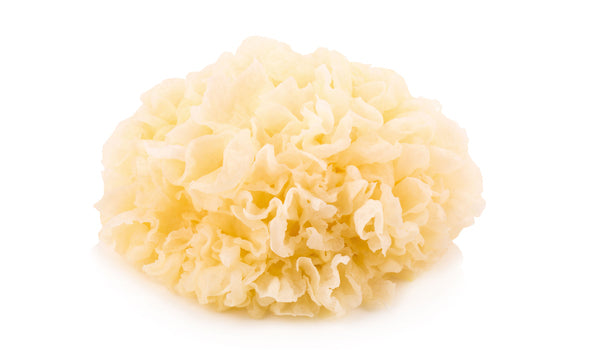
Numerous skin benefits may be derived from mushrooms, and among them, Tremella fuciformis extract stands out as an exceptional superfood for supporting skin wellbeing.
Dubbed the "beauty mushroom," this gelatinous fungus resembles a loofah shower sponge, which is apt considering its potential beauty-enhancing properties.
Tremella is thought to help rejuvenate and hydrate the skin. It contains distinctive polysaccharide compounds that exhibit remarkable water-retention properties, with its water-holding capacity reaching nearly five hundred times its own weight.
Moreover, Tremella mushrooms may stimulate the production of superoxide dismutase (SOD), a crucial antioxidant enzyme in the body. SOD is thought to aid in safeguarding and regenerating the skin.
For a more in-depth exploration of the Tremella mushroom, delve into the fascinating realm of the 'Ancient Beauty Secrets of Tremella Mushroom' here.
Chaga mushroom comprises various active constituents traditionally used to support skin health. Abundant in antioxidants, Chaga has been traditionally used to support skin well-being.
Research has demonstrated the potential benefits of Chaga in improving psoriasis. A study conducted in Russia involving 50 psoriasis patients reported considerable symptom improvement over time.

Chaga mushroom is a source of melanin-like compounds and has been traditionally used to support skin health.
Chaga contains melanin and is traditionally used to support skin health.
Reishi mushroom is also traditionally used to support skin health.
Reishi has been traditionally used to support skin health and alleviate various external skin concerns.
Reishi mushroom is traditionally used to support skin wellbeing.
Top mushrooms for nourishing your skin:
- Tremella Mushroom
- Chaga Mushroom
- Reishi Mushroom
To Sum Up
Superfood mushrooms offer numerous compounds traditionally associated with wellbeing. Some research suggests medicinal mushrooms may help support sleep quality, mood, and general wellness.
We would love to hear about your preferred mushrooms for promoting health and well-being. Please share your thoughts in the comments below.
References:
http://herbworks.com/understanding-the-hpa-axis/
https://www.selfhacked.com/blog/all-about-nerve-growth-factor-and-50-ways-to-increase-it/
The Great Cholesterol Con by Malcolm Kendrick
The Way of Chinese Herbs by Michael Tierra
The Beauty Diet by David Wolfe
This information is for educational purposes only and is not intended to diagnose, treat, cure, or prevent any disease. Consult your healthcare practitioner before use.


