



Ashwagandha and Cancer Research: The Petri Dish Problem
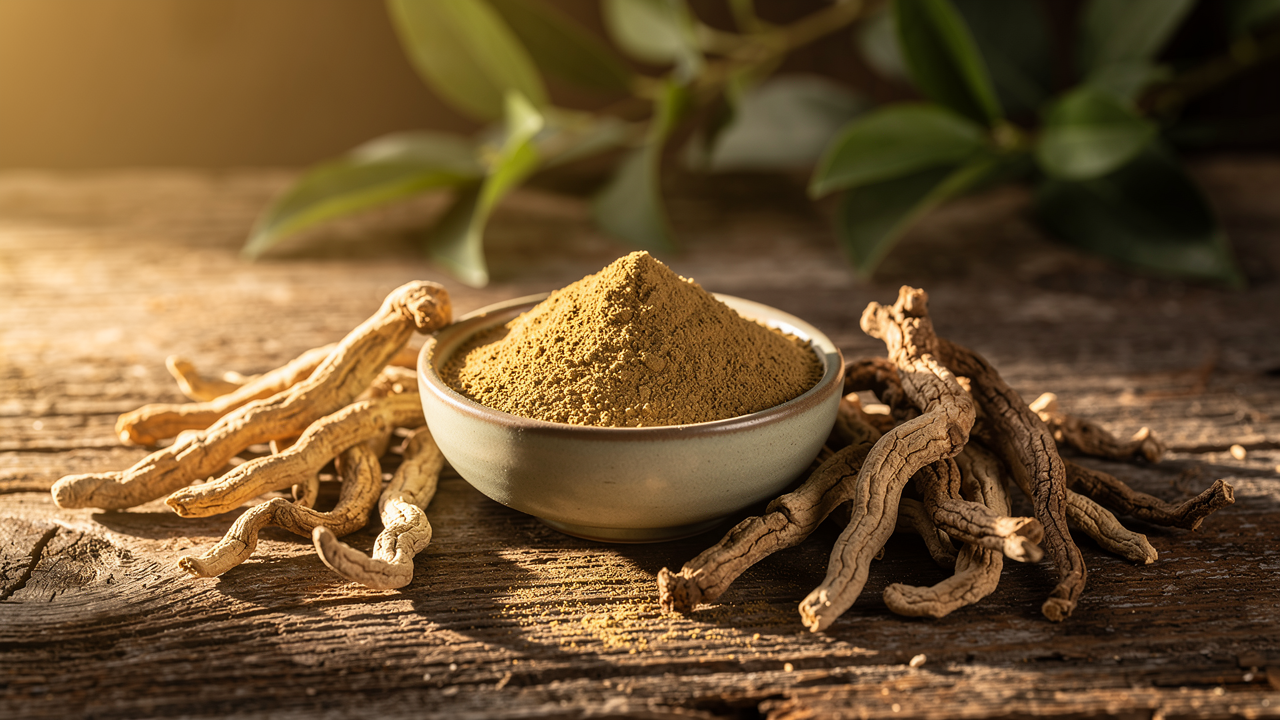
Ashwagandha and Cancer Research: The Petri Dish Problem
Ashwagandha and cancer is one of the most searched — and most misrepresented — topics in the natural health space. Supplement websites frequently cite laboratory studies showing that withanolides have been studied in vitro, implying that ashwagandha has been traditionally used in Ayurvedic medicine. This is a significant distortion of what the research actually shows.
This article examines the research honestly: what has been studied, in what experimental settings, and what the significant gap between laboratory findings and human clinical outcomes means. We call this distinction “The Petri Dish Problem”: many compounds have been studied in laboratory conditions that have no measurable effect in living humans, and the history of oncology is littered with promising in-vitro findings that did not translate to clinical benefit.
Ashwagandha (Withania somnifera) has been the subject of preclinical research in cancer biology, with its compounds being studied for their potential effects. Whether any of that translates to meaningful human outcomes is a different, and largely unanswered, question. We call this “The Translation Gap” — the chasm between what works in a test tube and what works in a living human body.
What the Laboratory Research Shows
Withaferin A (WA), one of the primary withanolides found in ashwagandha root, has been the subject of substantial laboratory research in oncology. The volume of preclinical literature is large — a 2020 review in Biochemical Pharmacology (PMID: 31404528) summarised over two decades of in-vivo and in-vitro evidence, describing WA as a compound that progressed "from ayurvedic folk medicine to preclinical anti-cancer drug." The preclinical findings include:
- Apoptosis induction across multiple cell lines: A 2024 review (PMID: 39057095) documented how withaferin A triggers programmed cell death in breast cancer cells, including both ER/PR-positive and triple-negative breast cancer (TNBC) subtypes, at the molecular level via caspase activation and Bax/Bcl-2 modulation.
- Proteasome inhibition in prostate cancer: A 2007 study (PMID: 17093135) demonstrated that WA inhibits the proteasomal chymotrypsin-like activity in human prostate PC-3 xenografts, achieving 70% tumour growth inhibition in nude mice at doses of 4–8 mg/kg/day over 24 days. This was accompanied by 56% inhibition of tumour proteasome activity.
- Breast cancer metabolism disruption: A 2024 study in Scientific Reports (PMID: 39366987) showed WA decreased glucose uptake, lactate production, and ATP generation in breast cancer cells by inhibiting key glycolytic enzymes (GLUT1, HK2, PKM2) through the c-myc/glycolysis axis.
- Anti-angiogenic and anti-metastatic activity: A 2023 study (PMID: 37067392) found WA inhibited breast cancer-induced osteoclast differentiation at plasma-achievable doses, suppressing IL-6, IL-8, and RANKL — key osteoclastogenic cytokines involved in bone metastasis.
- Radiosensitising effects: A 2025 study (PMID: 40467837) in gastric cancer cells showed combined WA and radiation treatment significantly inhibited tumour growth in xenograft models by promoting apoptosis and disrupting mitochondrial function.
- NF-κB pathway suppression: Withanolides have demonstrated inhibition of the NF-κB inflammatory signalling pathway, which plays a role in cancer cell survival and resistance to chemotherapy (PMID: 28162105).
- EBV-driven lymphoma inhibition: A 2026 study in Blood (PMID: 41105850) demonstrated WA’s selective cytotoxicity towards EBV-positive B-cell lymphoma through EBNA1 degradation, oxidative stress induction, and NF-κB suppression, significantly prolonging survival in humanised mouse models.
These are genuinely interesting biological activities that are the subject of ongoing research. However, they are also overwhelmingly laboratory-based findings. The concentrations of withaferin A used in cell culture experiments are typically far higher than what is achievable in human tissue through oral supplementation at doses used in studies. This is a fundamental limitation of the current evidence base, and insufficient evidence exists to translate these laboratory findings to human cancer outcomes.
"The history of oncology is littered with compounds that show activity in a petri dish and do nothing in a living human. Bleach has been studied in laboratory conditions. The question is always translation."
The Single Human Cancer Trial
Only one human study has directly examined ashwagandha in cancer patients. In 2013, Biswal et al. conducted an open-label, prospective, non-randomised comparative trial (PMID: 23142798, n=100) in breast cancer patients across all stages undergoing chemotherapy (either TAC or FEC regimens). The study group received Withania somnifera root extract at 2g every 8 hours throughout their chemotherapy course.
The findings were notable for quality of life, not tumour activity:
- Patients receiving ashwagandha experienced statistically significant lower fatigue scores compared with controls (P<0.001 on the Piper Fatigue Scale; P<0.003 on the Schwartz Cancer Fatigue Scale)
- Seven of 18 EORTC QLQ-C30 symptom scales showed statistically significant improvement in the ashwagandha group (P<0.001)
- 24-month overall survival was 72% in the ashwagandha group versus 56% in controls — however, this result was not statistically significant (P=0.176)
This study found no significant effect on tumour outcomes. The survival difference did not demonstrate statistical significance, and the study was not randomised, meaning selection bias may account for the observed differences. What it did demonstrate was a meaningful reduction in chemotherapy-related fatigue and improved quality of life.
A 2025 network meta-analysis (PMID: 41394145) of plant-derived substances in breast cancer care, encompassing 18 studies and 2,062 patients, ranked Withania somnifera as the most effective intervention for enhancing quality of life (SUCRA 99.4%), physical functioning (100%), role functioning (100%), and emotional functioning (100%). It was also ranked most promising for reducing fatigue (99.9%), pain (100%), and nausea (98.6%). These are quality-of-life outcomes during treatment, not outcomes related to tumour activity.
What the Research Has NOT Shown
This is the most important section of this article:
- No human RCT has demonstrated tumour-related activity for ashwagandha in any cancer population. The Biswal trial (PMID: 23142798) did not find a statistically significant survival benefit (P=0.176). This is preliminary evidence at best.
- No human trial has shown ashwagandha is effective for tumour reduction — the single study showed no significant difference in cancer outcomes between groups. Ashwagandha showed no benefit for tumour-related endpoints.
- In-vitro cancer cell activity does not predict human efficacy. Many compounds that have been studied in petri dishes — including common vitamins at high concentrations — failed to demonstrate effects in living humans. The results are inconsistent when moving from laboratory to clinical settings.
- No head-to-head comparison with any cancer treatment exists. No systematic review of ashwagandha for cancer outcomes has been published.
- Dosing in preclinical studies is not clinically achievable via oral supplementation at standard doses. For example, the prostate xenograft study (PMID: 17093135) used 4–8 mg/kg/day of purified withaferin A injected intraperitoneally — a very different delivery method and dose than oral ashwagandha extract. More research is needed to determine if oral dosing can achieve therapeutically relevant tissue concentrations.
- Most studies on the mechanism were animal or in vitro. Human evidence is limited to a single non-randomised trial examining quality of life, not tumour response. The small sample size (n=100) and lack of randomisation are significant limitations.
The Drug Interaction Risk: Critical for Cancer Patients
This section is the most practically important for people affected by cancer. Consult your healthcare professional or oncologist before taking any supplement alongside cancer treatment.
Ashwagandha may affect cytochrome P450 enzymes — the liver enzymes responsible for metabolising many chemotherapy agents, immunotherapy drugs, and targeted cancer therapies. A 2020 comprehensive safety review (PMID: 32201301, covering 30 human studies) noted that while no in-vitro or in-vivo inhibition was seen for CYP3A4 and CYP2D6, the two major hepatic drug-metabolising enzymes, the evidence base for interactions with cancer-specific drug regimens remains insufficient.
If ashwagandha alters CYP450 enzyme activity with other isoforms, it could change the effective blood concentration of these medications in ways that are unpredictable and potentially harmful.
Additionally, ashwagandha's traditional use in Ayurveda includes supporting general wellbeing. The interactions with certain treatments should be discussed with a healthcare professional.
If you are in active cancer treatment, do not add ashwagandha without explicit discussion with your oncologist. This is a precautionary recommendation based on traditional use patterns.
What This Means in Practice
| Your Situation | Verdict | Evidence Basis |
|---|---|---|
| Healthy person interested in cancer prevention | Unlikely to help — no human evidence for cancer prevention | 0 RCTs in cancer prevention |
| Currently receiving chemotherapy | Consult oncologist first — drug interaction risk is real | CYP450 interaction potential (PMID: 32201301) |
| Cancer survivor, post-treatment | Worth trying — good evidence for fatigue, sleep, anxiety recovery | QoL trial (PMID: 23142798); NMA (PMID: 41394145) |
| On immunotherapy (checkpoint inhibitors, CAR-T) | Consult oncologist — immunomodulatory interactions possible | Mechanistic plausibility, no direct evidence |
| Considering ashwagandha alongside conventional treatment | Not recommended — consult your professional team first | Potential herb-drug interactions; avoid if pregnant or taking blood thinners |
| General stress/wellbeing, no cancer history | Strong evidence — worth trying for those experiencing stress and poor sleep | 29+ RCTs for non-cancer endpoints. You can start with 300mg standardised extract daily. |
You may want to consider ashwagandha for general wellbeing after completing active treatment. Try starting with a lower dose (300mg daily) and discuss timing with your medical team.
When not to use ashwagandha in a cancer context: during active chemotherapy or immunotherapy without explicit oncologist approval, alongside blood-thinning medications, if you are pregnant or breastfeeding, or if you have autoimmune conditions. It is traditionally used to support general wellbeing rather than as a standalone intervention.
Combine ashwagandha with evidence-based lifestyle interventions for cancer recovery: regular movement, adequate sleep, stress management, and a nutrient-dense diet. Pair with professional support from your oncology team rather than using it as a replacement for conventional care.

From Our Formulations
Our ashwagandha is a dual extract (hot water + ethanol) from certified organic root, sourced from India using traditional di tao sourcing principles. The 10:1 extraction ratio concentrates the root material tenfold, and our Certificate of Analysis confirms ≥2.5% withanolides — compounds found in the root.
We use root-only material, not the cheaper root-plus-leaf blends that some suppliers offer. This distinction matters as traditional Ayurvedic use specifically references the root (Ashwagandha literally means "smell of the horse," referring to the root’s aroma). Our product is ACO Certified Organic and third-party tested for heavy metals and microbial contamination every batch.
One observation worth noting: the traditional use of ashwagandha root differs from some laboratory studies that use isolated compounds. Our 2.5% withanolide specification means roughly 12.5mg of total withanolides per half-teaspoon serve.
Transparency about what our product can and cannot do is core to how we operate. We believe this honesty is what differentiates Teelixir from supplement brands making irresponsible claims about ashwagandha and cancer.
The Honest Context: What Ashwagandha Might Offer Cancer Survivors
A different question is whether ashwagandha might support general wellbeing during the recovery period after cancer treatment.
Post-treatment fatigue, cognitive changes, anxiety, disrupted sleep, and general recovery are all documented challenges for cancer survivors. Ashwagandha has been traditionally used to support wellbeing in various contexts.
- Fatigue and energy: consistent across multiple RCTs; ranked #1 for fatigue reduction in breast cancer patients by network meta-analysis (PMID: 41394145)
- Sleep quality: meta-analysis confirmed benefit (PMID: 34559859)
- Anxiety: Grade B evidence per international guidelines (PMID: 35311615)
- Cognitive function: demonstrated in several RCTs at 300mg twice daily (PMID: 32540634)
- Immune function: traditionally used in Ayurveda to support general wellbeing
Using ashwagandha in the recovery period, with oncologist approval and after completing active treatment, for general wellbeing is a different proposition from using it during treatment. You should discuss this with your oncologist to determine if it is appropriate for your situation.
Interested in ashwagandha for general wellbeing?
Our dual-extract ashwagandha root is ACO Certified Organic with ≥2.5% withanolides. Traditionally used to support stress management and general wellbeing.
Frequently Asked Questions
Can ashwagandha support wellbeing?
Is ashwagandha safe during chemotherapy?
What does withaferin A do to cancer cells in the laboratory?
Can ashwagandha help with chemotherapy side effects?
Does Teelixir's ashwagandha contain enough withaferin A to have effects?
The Bottom Line
“The Petri Dish Problem” is the defining limitation of much herbal research: while laboratory studies can show interesting biological activity, this doesn't always translate to clinical effects in living humans.
Ashwagandha should not be positioned as a cancer treatment or prevention strategy. The Translation Gap remains vast — the evidence does not support that framing. Not even close.
For cancer survivors seeking support for general wellbeing after treatment — with oncologist approval and after completing active treatment — ashwagandha has been traditionally used in Ayurveda for such purposes.
We would rather tell you this honestly than suggest otherwise. That is what separates evidence-based content from supplement marketing.
Related Ashwagandha Research
- Ashwagandha for Immune Support: The Immunostat Principle
- Ashwagandha for Anxiety and Stress: What 9 RCTs Actually Found
- Ashwagandha for Sleep: The Stress-Sleep Loop Explained by 5 RCTs
- Ashwagandha Side Effects: The Tolerance Threshold and What 29+ RCTs Show
- Ashwagandha Benefits: The Complete Evidence-Based Guide
Teelixir Organic Ashwagandha Root (10:1)
Dual-extracted. Root-only. ACO Certified Organic. ≥2.5% withanolides. Di Tao sourced from India. Every batch third-party tested for heavy metals and microbial contamination.
Shop Ashwagandha →Important Disclaimer: This article is for educational purposes only and discusses preclinical research findings. These statements have not been evaluated by the Therapeutic Goods Administration (TGA). This product is not intended to diagnose, treat, cure, or prevent any disease. Consult your healthcare professional or oncologist before taking any supplement, particularly if you have cancer, are undergoing cancer treatment, or are taking prescription medications. Nothing in this article should be interpreted as medical advice.
Continue Your Research
- Ashwagandha Dosage Guide: What Clinical Trials Actually Used
- Ashwagandha for Gut Health: The Stress-Gut Axis Short-Circuit
- Ashwagandha and Liver Health: Safety, Evidence, and the Hepatic Burden Equation
- Ashwagandha for Heart Health: The Stress-Cardiovascular Relay
- Ashwagandha for Diabetes and Blood Sugar: The Stress-Glycaemia Loop
- Ashwagandha for Muscle Strength: The Anabolic Recovery Window Explained
- Ashwagandha for Women: Hormones, Perimenopause, and the Hormonal Seesaw
- Ashwagandha vs Lion's Mane: The Body-Brain Divide


