



Cordyceps for Immune Support: What the Research Shows
By Peter Orpen, Co-Owner, Teelixir
Cordyceps has been traditionally used to support immune function and is the subject of ongoing research into NK cell activity — the immune system's first-strike force. Here is what the research shows.

Cordyceps for Immune Support: What the Research Shows
Most mushroom supplements claim immune benefits. Cordyceps has been traditionally used to support immune function and is the subject of ongoing research in healthy adults.
This article focuses specifically on traditional uses and ongoing research into cordyceps for healthy adults (not cancer patients, not dialysis patients — populations that represent the vast majority of cordyceps buyers). We'll be honest about the limitations too. The NK Activation Research — cordyceps' potential to influence natural killer cell activity in healthy adults — is an area of ongoing study.
Evidence Snapshot — Immune Support
79
Participants in landmark RCT
3
Healthy adult RCTs on NK cells
4 wks
When NK activity first increased
MODERATE
Evidence Grade
The NK Cell Finding: What It Is and Why It Matters
Natural killer (NK) cells are thought to play a role in the immune system's rapid response. They are the subject of ongoing research into immune function.
A landmark 12-week RCT in 79 healthy adults receiving Cordyceps militaris fermented mycelium at 1.5g/day found significant increases in NK cell activity at both 4 weeks and 8 weeks, IL-2 at 4 weeks, and IFN-gamma at 8 weeks versus placebo — all with p values below 0.05 (PMID: 26284906). T and B cell subsets were not significantly affected. No adverse events occurred. This is a well-controlled healthy-adult RCT — the gold standard for supplement claims.
A 2024 8-week RCT with healthy adults consuming a Cordyceps militaris fermented beverage (2.85mg cordycepin equivalent) confirmed the NK finding: NK cell activity significantly increased in men at 4 weeks (p=0.049) and in women at 8 weeks (p=0.023) (PMID: 38580687). IL-1β was reduced in men and IL-6 decreased in women — both pro-inflammatory cytokines. Safety indices including liver and kidney function remained normal throughout.
A 2026 systematic review confirmed these findings are consistent across multiple human trials: C. militaris reliably activates NK cells, IL-2, and IFN-gamma, modulates Th1/Th2 balance, and is safe at 1-3g/day (PMID: 41432716). This is an unusually coherent body of evidence for a single supplement mechanism.
"Significant increases in NK cell activity were observed at 4 and 8 weeks in healthy adults at 1.5g/day — a consistent, reproduced finding across multiple RCTs." — Based on PMID 26284906 and PMID 38580687
What the Evidence Does NOT Show
Most studies on the detailed cellular mechanism of cordyceps immunity were animal or in vitro. The human data shows NK cell and cytokine changes, but the precise downstream pathway — how this translates into fewer sick days, faster recovery from illness, or other practical outcomes — has not been directly measured in healthy adult RCTs.
There are no clinical trials in healthy adults measuring cold/flu incidence as the primary outcome. The NK cell data is mechanistically meaningful (these cells are directly involved in viral defence), but we should be honest: correlation between NK cell activity and illness frequency in supplementation trials hasn't been established in the healthy adult population.
The meta-analysis on cordyceps and immune function (PMID: 38484953) was conducted in cancer patients receiving adjuvant therapy — a very different population with very different immune dynamics. The findings (improved tumour response rate, enhanced CD4/CD8/NK/immunoglobulin levels) are impressive but should not be extrapolated directly to healthy adults managing seasonal illness.

What This Means in Practice
| Use Case | Verdict |
|---|---|
| Maintaining immune vigilance year-round | Subject of ongoing research in healthy adults (NK cell activity, 8-12 weeks) |
| Supporting immune function during high-intensity training | Supported — reduced IL-1β and IL-6 in athletes (PMID 38580687) |
| Preventing colds and flu during winter | Mechanistically plausible, but no healthy-adult illness trial exists — may not help if already healthy |
| Treating active infection | Not supported — no acute treatment trial data exists. Consult your healthcare professional. |
You can start with 1-1.5g/day of Cordyceps militaris for general wellbeing. Allow 4-8 weeks to observe changes based on the trial timelines. You don't need to cycle off if your goal is ongoing support — the safety data supports continuous use at these doses.
Some people consider taking cordyceps year-round if they train intensively — heavy exercise may transiently affect immune function (the "open window" theory), and research into cytokine modulation is ongoing. Not recommended as a standalone treatment for any acute illness — seek medical attention if symptoms are concerning.
Cordyceps is not appropriate for people taking immunosuppressive medications without medical supervision. If you have an autoimmune condition, the Th1/Th2 modulating activity may not be suitable — consult your healthcare professional before use. It is also not suitable for use during pregnancy due to insufficient safety data.
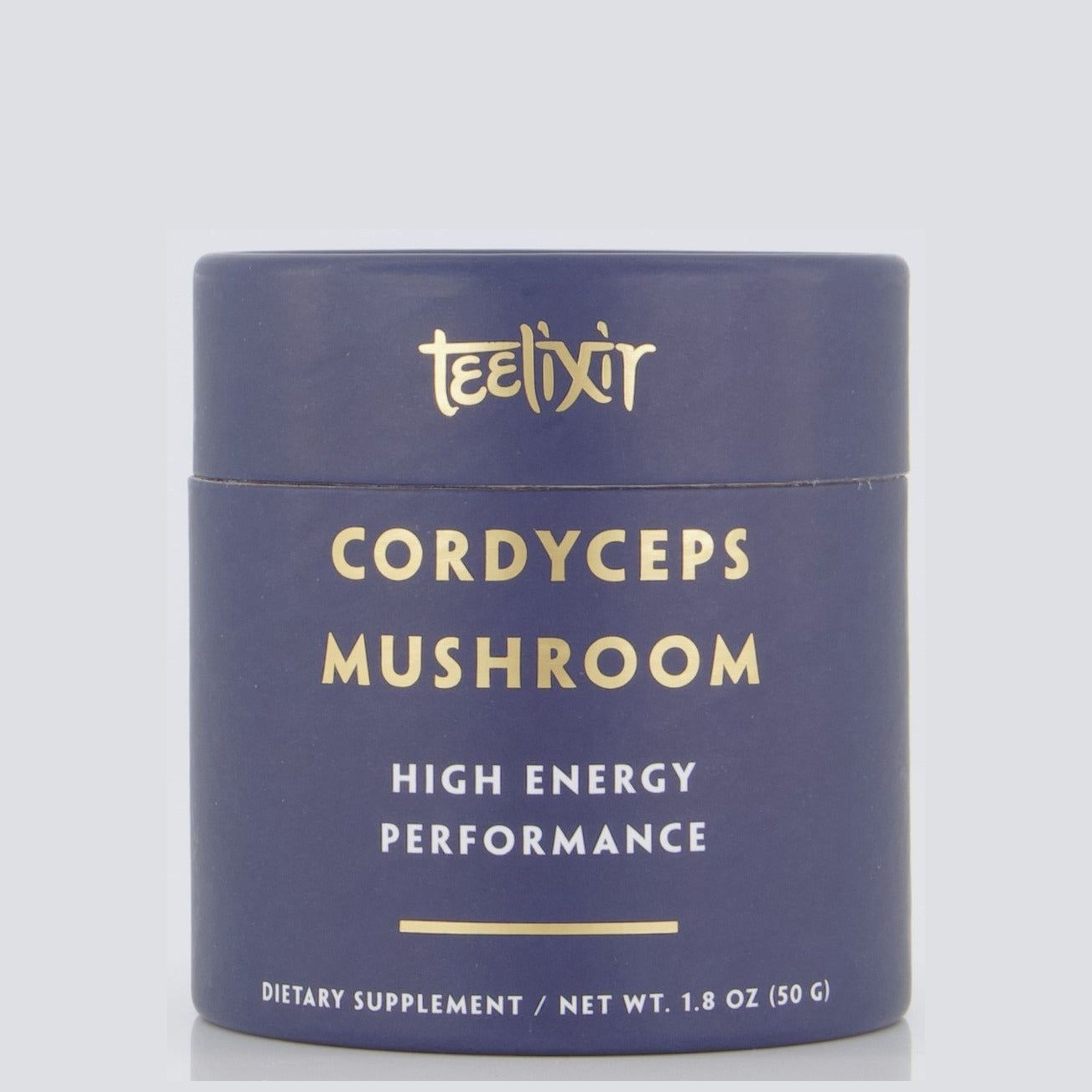
Teelixir Organic Cordyceps — CS-4 Strain, RCT-Supported Immune Research
CS-4 extract, 31.3% beta-glucan. The strain behind the immune NK cell data. From $42.
Frequently Asked Questions
How does cordyceps support the immune system?
The primary human-trial evidence suggests cordyceps may influence NK cell activity and cytokine levels such as IL-2 and IFN-gamma — which are involved in immune response. In simple terms, cordyceps appears to interact with the cells that respond to viral threats. The exact mechanism is not fully characterised in humans — most mechanistic work was animal or in vitro.
Has cordyceps been traditionally used by athletes for general wellbeing?
The 2024 RCT in healthy adults found reduced IL-1β in men and IL-6 in women after 8 weeks of Cordyceps militaris beverage (PMID: 38580687). Both are pro-inflammatory cytokines elevated by heavy training. This suggests cordyceps may modulate exercise-associated immune suppression — a practically relevant finding for people training 5+ hours per week. Start with 1.5g/day and allow 8 weeks.
Can I take cordyceps if I have an autoimmune condition?
Not without medical guidance. Cordyceps modulates Th1/Th2 balance and activates NK cells. In people with autoimmune conditions (where the immune system is already overactive in specific ways), this could worsen symptoms. The healthy adult safety data cannot be extrapolated to autoimmune populations. Please consult your healthcare professional before use if you have any autoimmune diagnosis.
Is Cordyceps militaris or sinensis better for immune support?
The healthy adult RCT immune data is stronger for Cordyceps militaris (PMID 26284906, PMID 38580687). The clinical data on O. sinensis is largely from cancer and kidney disease populations. For healthy adults targeting immune maintenance, C. militaris is the better-supported choice based on current evidence.
See the full 28-study evidence review for cordyceps, or learn about cordyceps safety from human trials.
Teelixir Organic Cordyceps — CS-4 Strain, Immune-Supported Dose
1.5g/day — the dose used in the landmark NK cell RCT. Hot water extracted, heavy metal tested. From $42.
Shop Cordyceps →This article is for educational purposes only and does not constitute medical advice. Cordyceps supplements are not intended to diagnose, treat, cure, or prevent any disease or health condition. Always consult your healthcare professional before commencing any new supplement regimen, particularly if you are pregnant, breastfeeding, have an existing medical condition, or are taking prescription medication.


