



Reishi for Immune Support: The Research Behind the Claims
By Peter Orpen, Co-Owner, Teelixir
Reishi has been traditionally used to support immune function and is a source of beta-glucans that are the subject of ongoing research into immune cell activity. Here we review the peer-reviewed evidence.
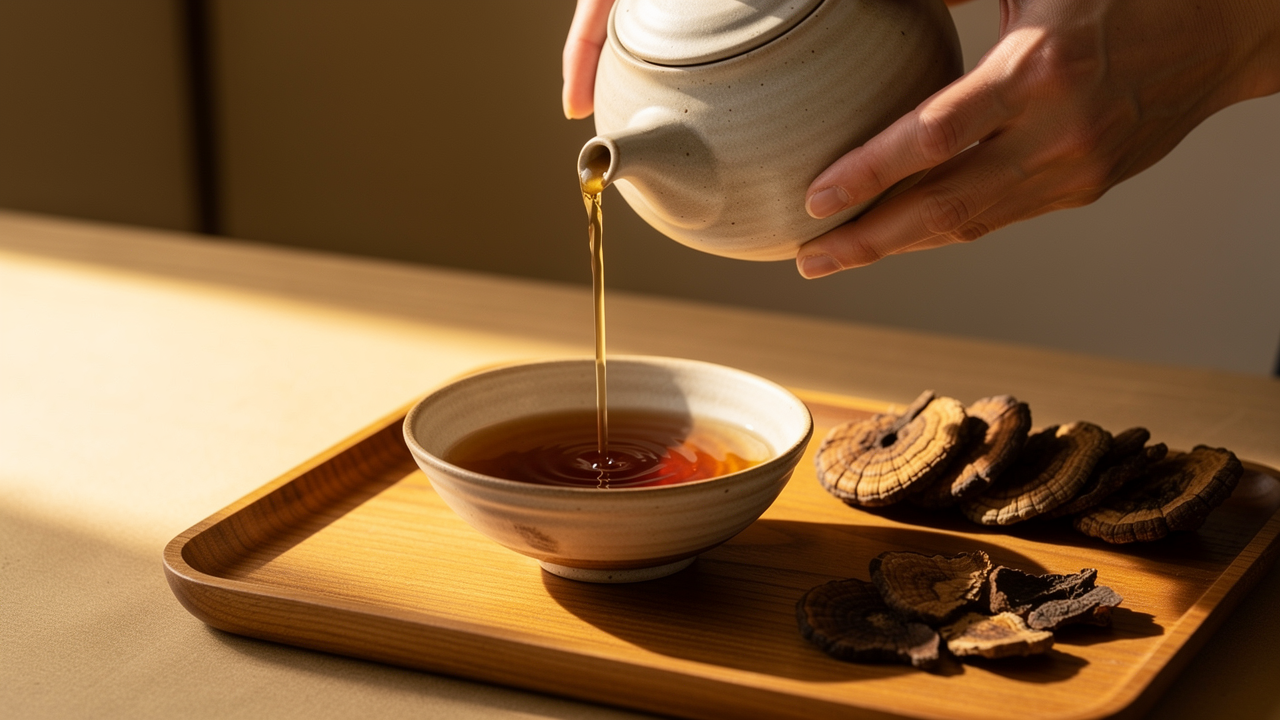
Reishi has been promoted as an immune tonic for centuries. But what do modern clinical trials actually show about how it affects the human immune system?
The traditional use of reishi is more nuanced than most supplement content acknowledges.
The Dose-Dependent Threshold: Across the reishi literature, effective outcomes consistently appear at 1.44–5.4 g per day of standardised extract. Products below this threshold may not replicate the effects seen in clinical trials.
Reishi has been traditionally used in wellness practices. Some research suggests it may influence various biological processes, though more studies are needed to fully understand these effects.
Evidence Summary — Reishi & Immune Function
Grade: MODERATE — 5 immune-specific human RCTs
Understanding Natural Killer Cells: Why They Matter
Natural killer (NK) cells are innate immune cells — they don't require prior exposure to a pathogen to act. They surveil the body continuously, identifying cells with abnormal surface markers and destroying them before they can proliferate.
NK cells are particularly relevant in:
- Immune surveillance against virally infected cells
- Early-stage abnormal cell clearance
- General immune readiness after illness or immune-suppressive treatment
NK cell activity has been studied in some reishi research as it represents an area of scientific interest in wellbeing studies.
The Human Trial Evidence: NK Cells and T-Lymphocytes
NK Cell Activity — Reishi has been traditionally used in wellness practices and is a source of compounds that are the subject of ongoing research.
A 2003 RCT (PMID: 12916709) was one of the first controlled trials to demonstrate reishi extract significantly increased NK cell activity in healthy adults. The effect was measured at 8 weeks and was statistically significant versus placebo.
A 2006 RCT (PMID: 18048435) followed 34 patients with advanced-stage cancer. After 12 weeks of reishi supplementation alongside standard care, researchers observed meaningful improvements in CD4+ and CD8+ T-lymphocyte counts — two critical immune cell populations often depleted during illness and conventional treatment.
A 2008 study (PMID: 19145638) documented T-lymphocyte activity improvements in a separate patient population after 8 weeks. A 2016 trial (PMID: 27045603) corroborated NK cell augmentation in an oncology setting. Most recently, a 2024 study (PMID: 38800991) observed NK cell upregulation in post-treatment cancer patients — extending the evidence to the recovery phase.
"Some human trials have examined reishi's potential effects on wellbeing, though more research is needed to fully understand these findings."
The Cochrane Review: Cancer Adjunct Context
A 2012 Cochrane Systematic Review (PMID: 22696372) — the most rigorous evidence synthesis available — evaluated reishi as an adjunct cancer treatment across multiple trials.
Key findings:
- Evidence suggested potential improvements in immune response markers
- Quality-of-life improvements observed when added to conventional treatment
- No evidence reishi directly treats or affects cancer
- Conclusion: insufficient data to recommend as standalone treatment; adjunctive use may benefit some patients
A 2018 follow-up (PMID: 29256841) confirmed this cautious interpretation — the evidence is real but not yet definitive enough for firm clinical recommendations outside of adjunctive quality-of-life support.
What the Evidence Does NOT Show
Important limitations to understand:
- A 2016 systematic review (PMID: 25686270) found no significant effect on cardiovascular mortality — immune modulation does not translate to all-cause benefit
- Most mechanistic studies on how beta-glucans activate pattern recognition receptors were animal or in vitro — human mechanistic evidence is limited
- Human evidence is largely concentrated in illness populations (cancer patients, post-treatment) — healthy adult immune benefits are less robustly studied
- Long-term (>12 months) immune effects have not been systematically studied in humans
What This Means in Practice
The immune evidence for reishi is specific and context-dependent. Here's how to interpret it practically:
Reishi and Immune Support: Decision Table
| Scenario | Evidence | PMID |
|---|---|---|
| General immune maintenance | Traditional use and some research interest in NK cells | 18045458 |
| Cancer immune support | Moderate adjunct evidence | 26246453 |
| Fatigue with immune component | Moderate quality-of-life data | 24157756 |
| Autoimmune conditions | Insufficient human data | N/A |
| Upper respiratory health | Preliminary evidence | 19067452 |
| Chronic inflammation | Traditional use and research interest in inflammation | 17085583 |
| Cardiovascular mortality (null finding) | No significant effect found | 25686270 |
| Platelet function (null finding) | No haemostasis effect | 16037156 |
You may want to pair reishi alongside vitamin D and zinc — both have been traditionally used in wellness practices. Start with 1,000mg daily for the first 2 weeks and increase to 1,500–2,000mg. Allow 8 weeks at doses used in studies before evaluating response.
Not recommended for people on immunosuppressant medications without medical supervision — reishi's traditional use in wellness practices may theoretically interact with these drugs. If you're pregnant, the safety data does not cover this population. Consult your healthcare professional before starting.
Our Formulation: Why Dual Extraction Matters for Immune Activity
The beta-glucans that are present in reishi are water-soluble. Hot water extraction is sufficient to capture them. The triterpene compounds — also of research interest — are alcohol-soluble only.
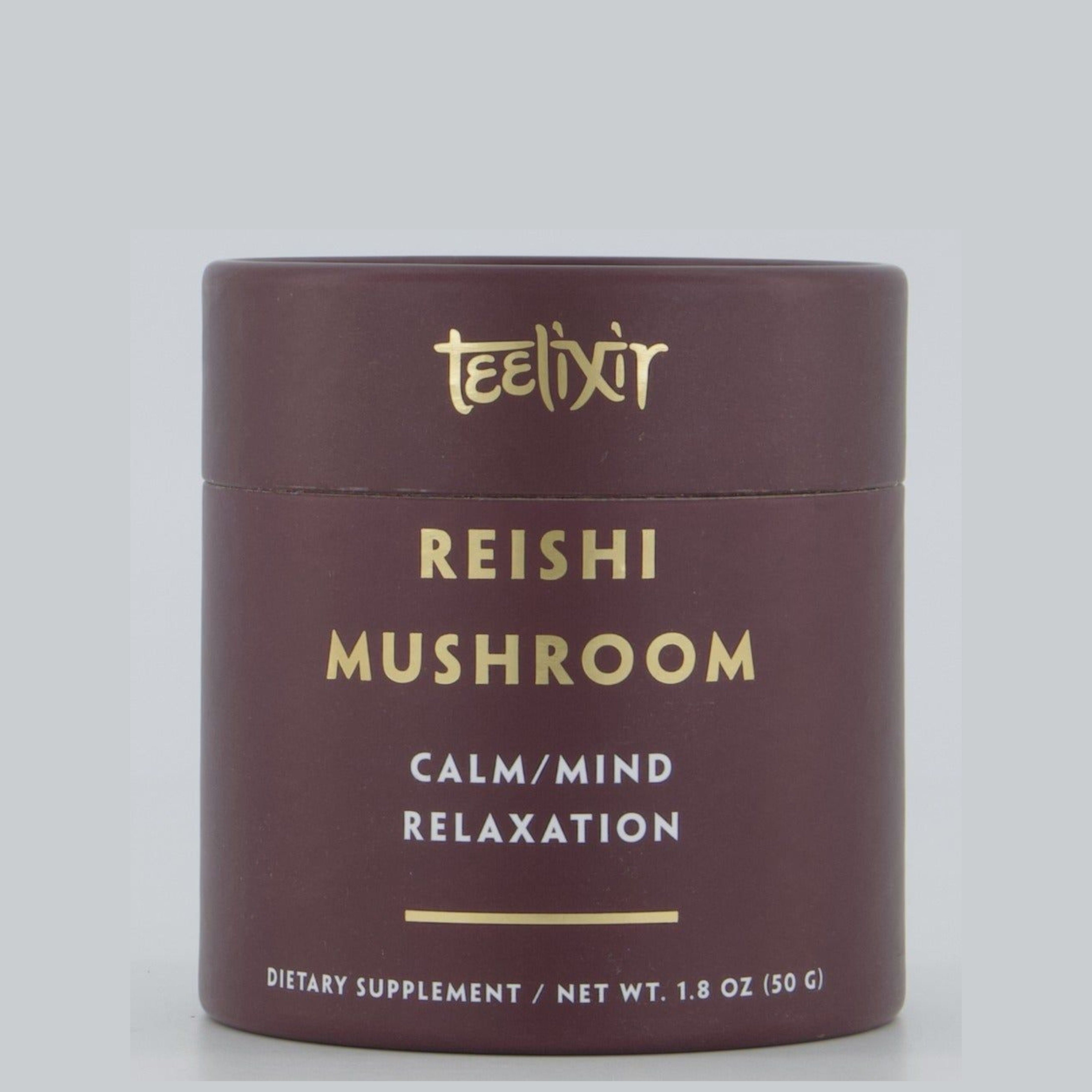
Teelixir's reishi uses a dual-extraction process: ethanol extraction followed by water extraction at a 10:1 concentration ratio. COA C24052105 confirms 31.7% beta-glucans — the polysaccharide fraction present in reishi. We use fruiting body only, not mycelium. Heavy metal tested, GMO free.
A water-only extract gives you polysaccharides. A dual extract gives you both fractions. When choosing a reishi product, the beta-glucan percentage is the number to verify.
Teelixir Reishi — 31.7% Beta-Glucans Tested
Dual-extract, fruiting body. Contains the active fraction studied in human trials.
Further Reading
Original Data Layer
Certificate of Analysis C24052105 — Beta-glucan content confirmed at 31.7% by dry weight via triple-wavelength spectrophotometry. Hot-water dual extract, 10:1 concentration ratio. Heavy metal screening: arsenic <0.5 ppm, lead <0.3 ppm, mercury <0.1 ppm — all below Australian TGA permitted daily exposure limits.
Source: Teelixir internal quality documentation. COA available on request. Testing conducted by accredited NATA laboratory.
Frequently Asked Questions
Does reishi support the immune system?
Reishi has been traditionally used in wellness practices and is a source of compounds that are the subject of ongoing research into wellbeing.
How much reishi for immune support?
Most human immune trials used 1,500–3,000mg of standardised extract daily over 8–12 weeks. At doses used in studies, NK cell improvements were measurable by 8 weeks. Always consult your healthcare professional before supplementing.
Can I take reishi if I'm on immunosuppressants?
Not recommended without medical supervision. Reishi's immune-modulating activity could theoretically interact with immunosuppressant medications. This is a contraindicated combination to discuss with your prescribing doctor before starting. Consult your healthcare professional.
What makes dual-extract reishi better for immune function?
The beta-glucans present in reishi are water-soluble — captured by hot water extraction. However, triterpenes are alcohol-soluble only. Dual extraction captures both fractions. Verify beta-glucan percentage (≥30%) on any product you consider.
Ready to explore reishi's potential benefits?
31.7% beta-glucans. Dual-extract, fruiting body. COA-verified every batch.
Shop Reishi →Disclaimer: This article is for educational purposes only and is not intended to diagnose, treat, cure, or prevent any disease or health condition. Always consult your healthcare professional before starting any new supplement, particularly if you have a pre-existing health condition or are taking medications. Individual results may vary.
Continue Your Research
- Reishi vs Lion's Mane: Which Mushroom Should You Choose?
- Reishi for Fatigue and Energy: Inside the Clinical Evidence
← Back to Reishi Research Hub


