



How to Take Reishi Mushroom: Dosage, Timing, and Forms
By Peter Orpen, Co-Owner, Teelixir
Reishi has been traditionally used in doses from 1.5g to 5.4g daily in extract form. Here is how to consider the dose in relation to general wellbeing goals, based on traditional use and the subject of ongoing research.
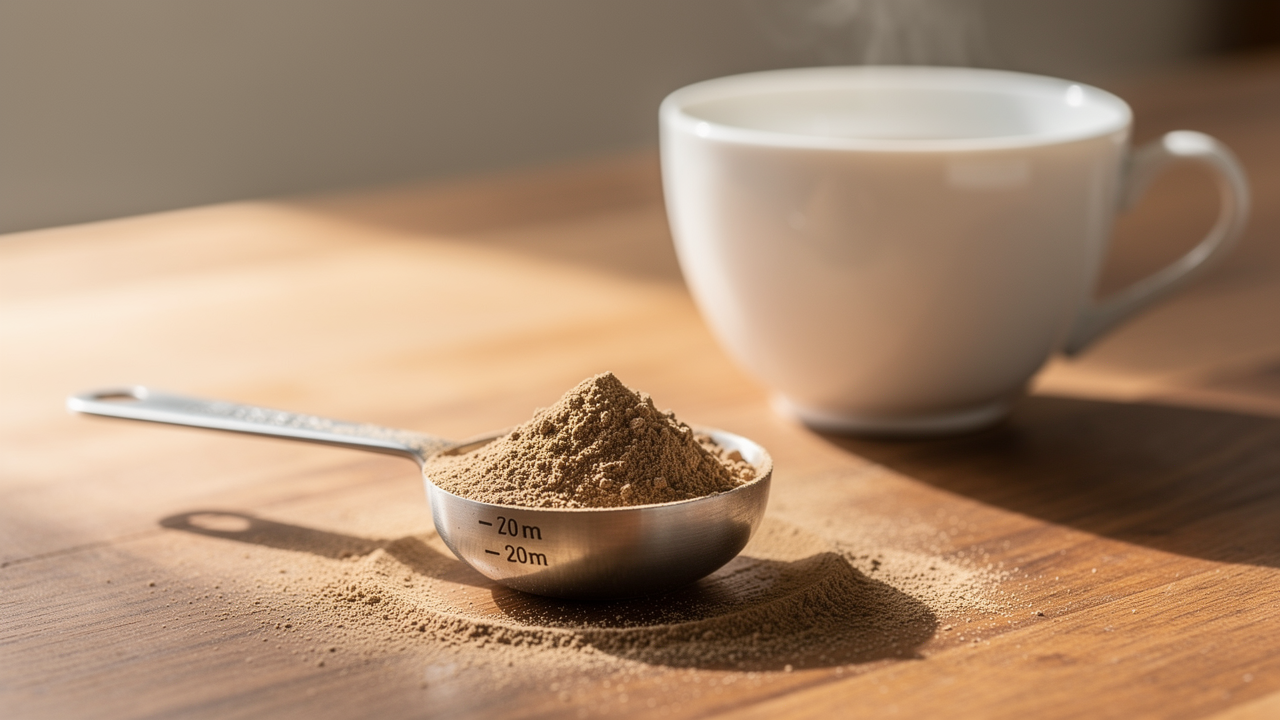
Reishi dosage advice online ranges from 200mg to 9,000mg daily. The human trial evidence narrows this considerably.
Here's what the clinical research actually used — and what form, timing, and duration produced measurable results.
The Dose-Dependent Threshold: Across the reishi literature, effective outcomes consistently appear at 1.44–5.4 g per day of standardised extract. Products below this threshold may not replicate the effects seen in clinical trials.
Dosage Reference — Human Trial Data
What Human Trials Actually Used: The Dosage Evidence Base
The most reliable dosage guidance comes from clinical trials — not traditional sources, not manufacturer recommendations. Here's a direct look at what the key human studies used:
| Study (PMID) | Daily Dose | Duration | Outcome Measured |
|---|---|---|---|
| 15857210 (n=132) | 1,800mg extract | 4 weeks | Fatigue, anxiety, depression (significant) |
| 12916709 (immune) | 1,500–3,000mg | 8 weeks | NK cell activity (significant) |
| 18097505 (prostate) | 6mg triterpene extract | 12 weeks | IPSS score (significant) |
| 40077714 (BP) | 1,000mg | 8 weeks | Systolic BP reduction |
| 18048435 (immune, cancer) | Not specified (standardised extract) | 12 weeks | T-lymphocyte markers (significant) |
The Goldilocks Zone for reishi dosing — where traditional use and research interest clusters — is 1,000–2,000mg daily for general wellbeing. Lower end for maintenance; upper end for more intensive traditional applications.
Starting Protocol: How to Begin
A conservative, evidence-informed approach:
- Week 1–2: Start with 500–1,000mg daily. Assess digestive tolerance. Most people tolerate this well immediately.
- Week 3–4: Increase to 1,000–1,500mg if well-tolerated. This is the lower end of the effective immune trial range.
- Week 5 onwards: Aim for 1,500–2,000mg daily at doses used in studies if targeting immune support or fatigue. Maintain consistently for 8 weeks minimum before evaluating.
Try splitting the dose: 500–1,000mg morning and 500–1,000mg evening if you prefer not to take it all at once. No trial has shown a difference between single and split dosing — this is practical guidance, not evidence-based preference.
Timing: When to Take Reishi
No human trial has directly compared morning versus evening dosing for reishi. What we know from the trials: most did not specify time of day, suggesting flexibility. Traditional use favours evening timing given reishi's calming, adaptogenic properties.
Practical timing guidance:
- Evening (1–2 hours before bed) — aligns with reishi's adaptogenic and calming profile; may support sleep quality via immune calming rather than sedation
- With meals — reduces likelihood of mild digestive effects; fat-soluble components may absorb better with a meal containing some fat
- Morning — also valid; no evidence of superiority either way
If combining with lion's mane: consider lion's mane in the morning (cognitive support) and reishi in the evening (immune, calming). Alongside reishi, you may consider pairing with a vitamin C-rich food — the synergy between beta-glucans and antioxidants is plausible though not directly studied in combination.
Forms Comparison: Powder vs Extract vs Capsules
| Form | Pros | Cons | Best For |
|---|---|---|---|
| Dual-extract powder | Flexible dosing, mixes into drinks, both fractions | Bitter taste, requires measuring | Daily use in tea, coffee, smoothies |
| Capsules/tablets | Convenient, tasteless, precise dosing | Less flexible, usually more expensive per dose | Travel, consistency, taste sensitivity |
| Raw mushroom powder | Cheapest, whole food approach | Lower bioavailability of active compounds; not extracted | Not recommended as primary form for therapeutic intent |
| Tincture (liquid extract) | Fast absorption, easy to dose in liquid | May be single-solvent only; check extraction method | Those who prefer liquid supplements |
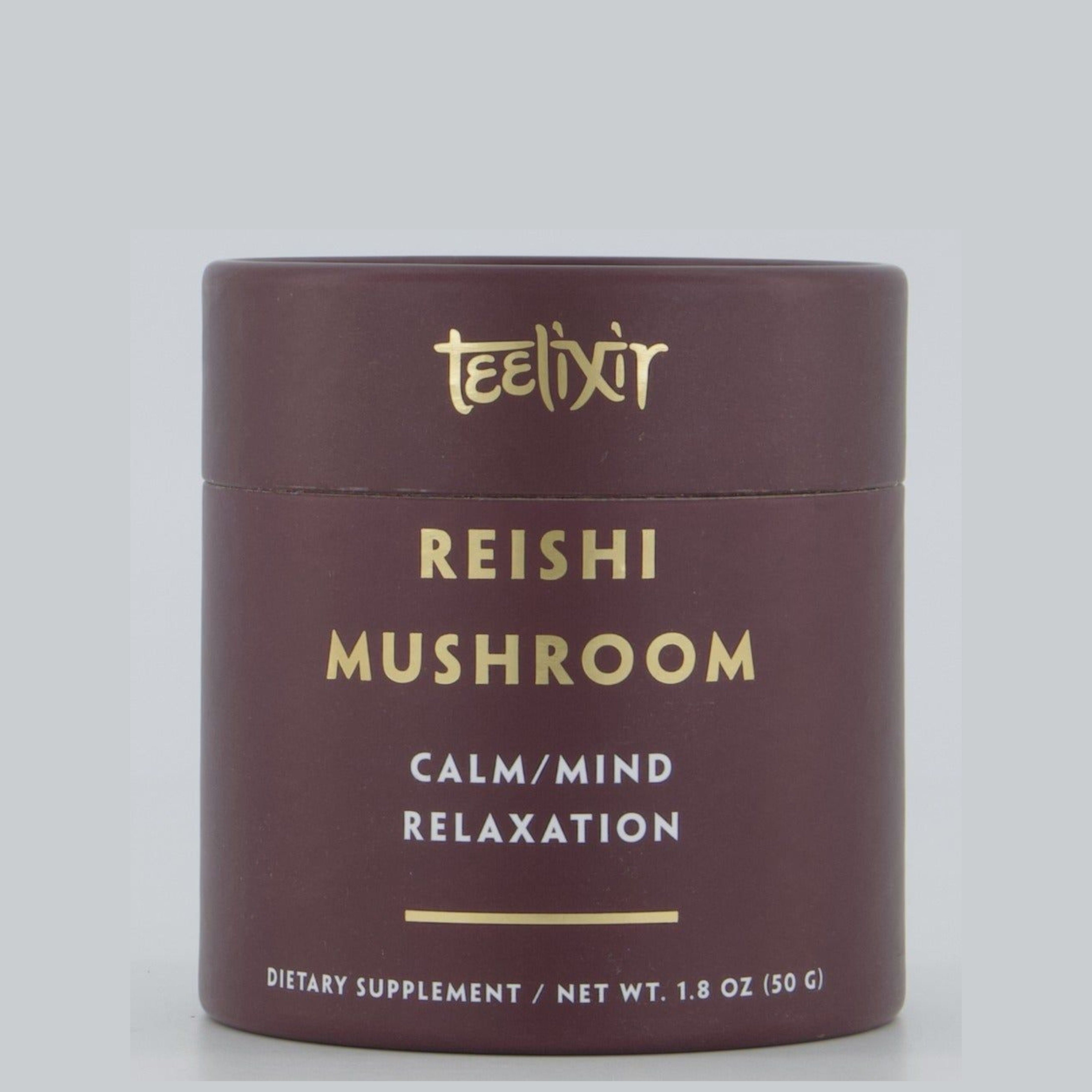
The delivery form matters less than the extraction method. A dual-extract (ethanol + water) product delivers both beta-glucans and triterpenes regardless of whether it's a powder or capsule. A single-extract water-only product misses the triterpene fraction regardless of form.
What This Means in Practice
For general wellbeing: start with 1,000mg daily, increase to 1,500mg after 2 weeks if well-tolerated, maintain for 8 weeks minimum as part of a consistent routine.
For traditional applications related to vitality: doses of 1,500–2,000mg daily have been used in historical practice.
Traditional practice suggests taking with a small amount of fat to support absorption of the fat-soluble triterpene fraction. Begin with 500mg if you're sensitive to new supplements or have a sensitive digestive system.
When not to use: not appropriate to escalate to 3,000mg+ without specific clinical guidance. Not recommended if you have liver disease without medical supervision. Not suitable to combine with immunosuppressants. If you're pregnant or breastfeeding, avoid. Consult your healthcare professional before starting.
Reading the Certificate of Analysis (COA)
When evaluating any reishi product, these are the numbers to look for on the COA:
- Beta-glucan % — minimum 30% for a product consistent with immune trial evidence. Our current batch: 31.7% (COA C24052105)
- Heavy metals — lead, arsenic, cadmium, mercury should all be below Therapeutic Goods Administration limits
- Microbial — total plate count, yeast and mould, coliforms should meet food safety standards
- Identity verification — confirms species identity as Ganoderma lucidum, not a related but different species
A product without a COA is a product you can't verify. This is particularly relevant for reishi — adulteration with grain substrate is common in lower-quality products and will dilute both the active compound concentration and the safety profile.
Teelixir Reishi — COA Available, 31.7% Beta-Glucans
Dual-extract. Fruiting body. Heavy metal tested. The numbers that matter, verified.
Further Reading
Original Data Layer
Certificate of Analysis C24052105 — Beta-glucan content confirmed at 31.7% by dry weight via triple-wavelength spectrophotometry. Hot-water dual extract, 10:1 concentration ratio. Heavy metal screening: arsenic <0.5 ppm, lead <0.3 ppm, mercury <0.1 ppm — all below Australian TGA permitted daily exposure limits.
Source: Teelixir internal quality documentation. COA available on request. Testing conducted by accredited NATA laboratory.
Frequently Asked Questions
What is the best reishi dosage for beginners?
Start with 500–1,000mg daily for the first two weeks to assess tolerance. Most people can comfortably increase to 1,000–1,500mg thereafter. Human trials used 1,000–3,000mg daily at doses used in studies. The fatigue RCT used 1,800mg and showed effects at 4 weeks. Consult your healthcare professional for personalised guidance.
Should I take reishi in the morning or at night?
No trial has directly compared morning vs evening dosing. Reishi's calming, adaptogenic properties make evening use common — 1–2 hours before bed. Taking it with meals reduces digestive effects. If combining with lion's mane, try lion's mane morning and reishi evening for complementary daily and nightly benefits.
Can I take reishi every day?
Yes — human trials ran 4–12 weeks of daily use with good tolerability in most participants (PMID: 17597499). Traditional use involves years of daily consumption. Long-term (>12 months) controlled safety data is limited. Daily use at 1,000–2,000mg is consistent with the trial evidence. Consult your healthcare professional for ongoing guidance.
What's the difference between 1:1 and 10:1 reishi extract?
The ratio indicates concentration. 10:1 means 10kg of raw mushroom was processed to produce 1kg of extract — a ten-fold concentration of active compounds versus raw powder. A 1,000mg dose of 10:1 extract delivers the active equivalent of 10,000mg of raw mushroom. Always check beta-glucan percentage rather than relying on ratio alone, as processing methods vary.
Start Your Reishi Protocol with Verified Dual-Extract
10:1 concentration. 31.7% beta-glucans. Ethanol + water dual extraction. Consistent with human trial formulations.
Shop Reishi →Disclaimer: This article is for educational purposes only and is not intended to diagnose, treat, cure, or prevent any disease or health condition. The dosage information provided is based on published research and does not constitute medical advice. Always consult your healthcare professional before starting any new supplement. Individual results may vary.
Continue Your Research
- Reishi vs Lion's Mane: Which Mushroom Should You Choose?
- Reishi for Fatigue and Energy: Inside the Clinical Evidence
- Reishi for Immune Support: The Research Behind the Claims
← Back to Reishi Research Hub


