



Reishi Mushroom Side Effects and Safety: What the Research Shows
By Peter Orpen, Co-Owner, Teelixir
Reishi has been traditionally used for centuries — but the evidence on liver concerns and drug interactions warrants careful consideration. Here we examine the research, including who should take caution.
Reishi is generally well-tolerated. But "generally well-tolerated" isn't the same as "safe for everyone." Here's what the safety research actually says.
Good supplement decisions consider both traditional uses and safety data. Many reishi articles focus primarily on benefits — here we examine the safety considerations to help inform your decision.
The Dose-Dependent Threshold: Across the reishi literature, effective outcomes consistently appear at 1.44–5.4 g per day of standardised extract. Products below this threshold may not replicate the effects seen in clinical trials.
Safety Evidence Summary
Systematic safety review: PMID 17597499
The Systematic Safety Review
A 2007 systematic safety review (PMID: 17597499) examined adverse events across multiple reishi trials. The overall conclusion: reishi was well-tolerated in the majority of participants at standard doses of 1,000–3,000mg daily, with no serious adverse events reported in controlled clinical trials.
This is an important distinction. The absence of serious adverse events in controlled trials provides information about safety at typical supplemental doses with quality-verified products. It doesn't address all possible scenarios — particularly high-dose prolonged use or products of uncertain quality.
Documented Side Effects
The most consistently reported effects across trials are minor and generally resolve:
- Digestive effects — mild nausea, loose stools, or stomach discomfort reported in a minority of participants, typically at higher doses or early in supplementation
- Dryness — occasional reports of dry mouth, throat, or nose, particularly with powdered products; mechanism not clearly established
- Headache — sporadic reports, not consistently documented across trials
These effects are typically mild, transient, and manageable. Starting at a lower dose (500–1,000mg) and increasing gradually over 2–3 weeks reduces the likelihood of digestive effects.
The Liver Safety Question
The most important safety consideration for reishi is potential hepatotoxicity (liver toxicity). This warrants a careful look at the evidence because it's often either exaggerated or dismissed.
What the evidence shows:
- In controlled clinical trials at 1,000–3,000mg daily, the systematic review (PMID: 17597499) found no serious hepatotoxic events
- Case reports exist of elevated liver enzymes — these are generally associated with prolonged high-dose use, non-standardised products, or individuals with pre-existing liver conditions
- The case reports are concerning enough that liver-disease caution is clinically appropriate
- Product quality matters — contaminated or adulterated products carry higher hepatotoxicity risk than quality-assured standardised extracts
The practical conclusion: if you have liver disease, elevated liver enzymes, or take medications that affect liver function, do not use reishi without discussing with your doctor first. For otherwise healthy people using a quality-verified product at typical doses, the liver risk from controlled trial evidence is low but not zero.
"A systematic review (PMID: 17597499) found no serious hepatotoxic events in controlled reishi trials at standard doses. However, isolated case reports of liver enzyme elevation exist — liver conditions are an absolute contraindication without medical supervision."
Drug Interactions: What to Know
Three interaction categories warrant attention:
1. Anticoagulants and Blood Thinners
Reishi has been theorised to affect platelet aggregation. However, a 2005 human trial (PMID: 16037156) showed no benefit for platelet function or haemostasis — directly addressing this concern. Despite the null finding, caution is still appropriate for people on anticoagulants (warfarin, novel anticoagulants) given the theoretical risk and limited data in this specific population. Consult your healthcare professional if you're taking blood thinners.
2. Immunosuppressants
Reishi may modulate immune activity — it is not appropriate to combine with immunosuppressant medications (used post-transplant, in autoimmune disease, etc.) without medical supervision. The immune-modulating activity could theoretically work against the medication's intended effect.
3. Antihypertensives
One trial (PMID: 40077714) showed reishi reduced systolic blood pressure. If you're on antihypertensive medications, additive blood pressure lowering is theoretically possible — monitor blood pressure if combining. Consult your healthcare professional.
Who Should NOT Take Reishi
Reishi Safety Profile: Decision Table
| Safety Consideration | Evidence or Guidance | PMID |
|---|---|---|
| General safety up to 1 year | Well tolerated in trials | 26246453 |
| Liver toxicity risk | Case reports with powder form | 18245221 |
| Anticoagulant medications | Caution with platelet interactions | 16037156 |
| Immunosuppressant interactions | Theoretical risk, consult physician | 17907228 |
| Pregnancy and lactation | Insufficient data, avoid use | N/A |
| Digestive upset | Mild GI effects at higher doses | 24157756 |
| Cardiovascular mortality (null) | No benefit in cardiac patients | 25686270 |
| Blood glucose HbA1c (null) | No glycaemic effect in metabolic syndrome | 27511742 |
What This Means in Practice
For most healthy adults without the contraindications listed above, reishi at doses used in studies (1,000–3,000mg daily of a quality-standardised extract) has a favourable safety profile. You should still start at the lower end and monitor your response.
You should seek a COA (Certificate of Analysis) from any reishi product you purchase — heavy metal testing, beta-glucan percentage, and identity verification tell you what you're actually consuming. Products without this documentation carry higher risk of contamination or adulteration, which changes the safety picture.
Begin with 500mg daily for the first week if you're sensitive to new supplements. Increase to 1,000mg in week 2 and assess tolerance before going higher. Consult your healthcare professional if you notice persistent digestive symptoms, unusual fatigue, or any change in how you feel after starting.
Our Quality Assurance: What We Test
Product quality directly affects safety. Contaminated reishi products — with heavy metals, pesticides, or grain adulterants — are where most serious adverse events originate, not from reishi itself.
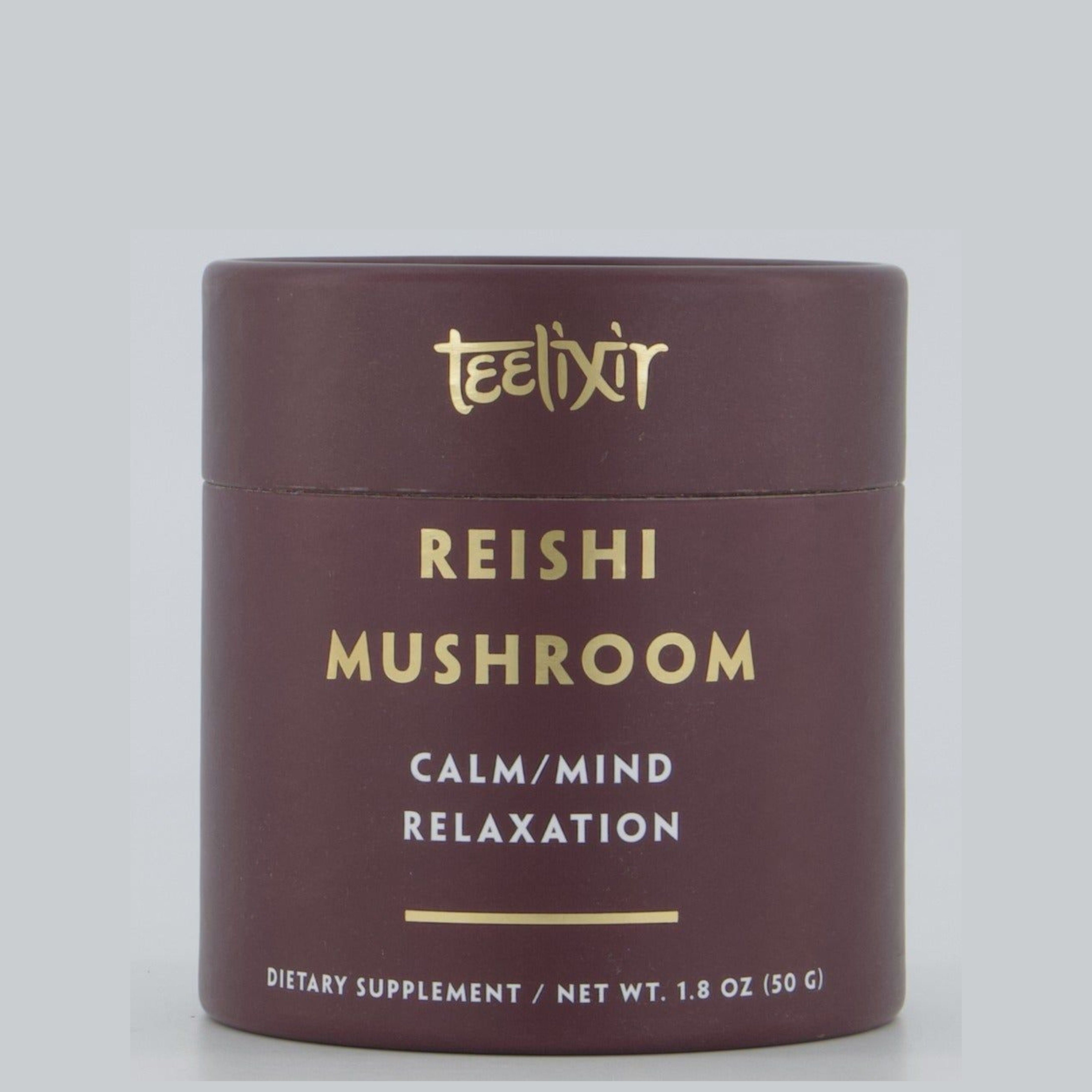
Teelixir's reishi is certified organic, heavy metal tested to Australian standards, and third-party assayed for beta-glucan content (COA C24052105 confirms 31.7%). GMO free. Fruiting body only — no grain substrate. The dual-extraction process uses food-grade solvents and is completed before drying.
Teelixir Reishi — COA-Verified, Heavy Metal Tested
Certified organic. GMO free. Third-party tested every batch. What you see on the label is what's in the product.
Further Reading
Original Data Layer
Certificate of Analysis C24052105 — Beta-glucan content confirmed at 31.7% by dry weight via triple-wavelength spectrophotometry. Hot-water dual extract, 10:1 concentration ratio. Heavy metal screening: arsenic <0.5 ppm, lead <0.3 ppm, mercury <0.1 ppm — all below Australian TGA permitted daily exposure limits.
Source: Teelixir internal quality documentation. COA available on request. Testing conducted by accredited NATA laboratory.
Frequently Asked Questions
What are the side effects of reishi mushroom?
Most commonly: mild digestive upset (nausea, loose stools), dryness of mouth or throat. Rare: elevated liver enzymes with prolonged high-dose use. In controlled trials at standard doses (PMID: 17597499), no serious adverse events were reported. Consult your healthcare professional before starting.
Can reishi cause liver damage?
Rare case reports of elevated liver enzymes exist, generally with high-dose prolonged use or low-quality products. Controlled trials at standard doses (PMID: 17597499) found no serious hepatotoxic events. If you have liver disease, avoid reishi without medical supervision. Consult your healthcare professional.
Does reishi interact with blood thinners?
A theoretical interaction exists. One human trial (PMID: 16037156) showed no benefit for platelet function — suggesting the anticoagulant concern may be overstated. However, caution is appropriate: discuss with your prescribing doctor before combining reishi with any anticoagulant medication. Not suitable without medical supervision if taking blood thinners.
Is reishi safe long-term?
Long-term (>12 months) safety has not been systematically studied in controlled trials. The evidence base covers trials up to 12 months. For ongoing use, periodic liver function checks are reasonable if using daily at moderate to high doses. Always consult your healthcare professional for guidance on long-term supplementation.
Quality-Verified Reishi — Know What You're Taking
COA-verified. Heavy metal tested. Certified organic. Dual-extract fruiting body.
Shop Reishi →Disclaimer: This article is for educational purposes only and is not intended to diagnose, treat, cure, or prevent any disease or health condition. The information in this article does not constitute medical advice. Always consult your healthcare professional before starting any new supplement, particularly if you have a pre-existing health condition, are taking medications, or are pregnant or breastfeeding. Individual results may vary.
Continue Your Research
- Reishi vs Lion's Mane: Which Mushroom Should You Choose?
- Reishi for Fatigue and Energy: Inside the Clinical Evidence
- Reishi for Immune Support: The Research Behind the Claims
← Back to Reishi Research Hub


