



Reishi Mushroom Benefits: What 28 Human Studies Actually Show
Reishi has been studied in over 200 clinical trials covering immunity, sleep, stress, fatigue, and cardiovascular health. Here is an evidence-graded summary of what the research actually shows.
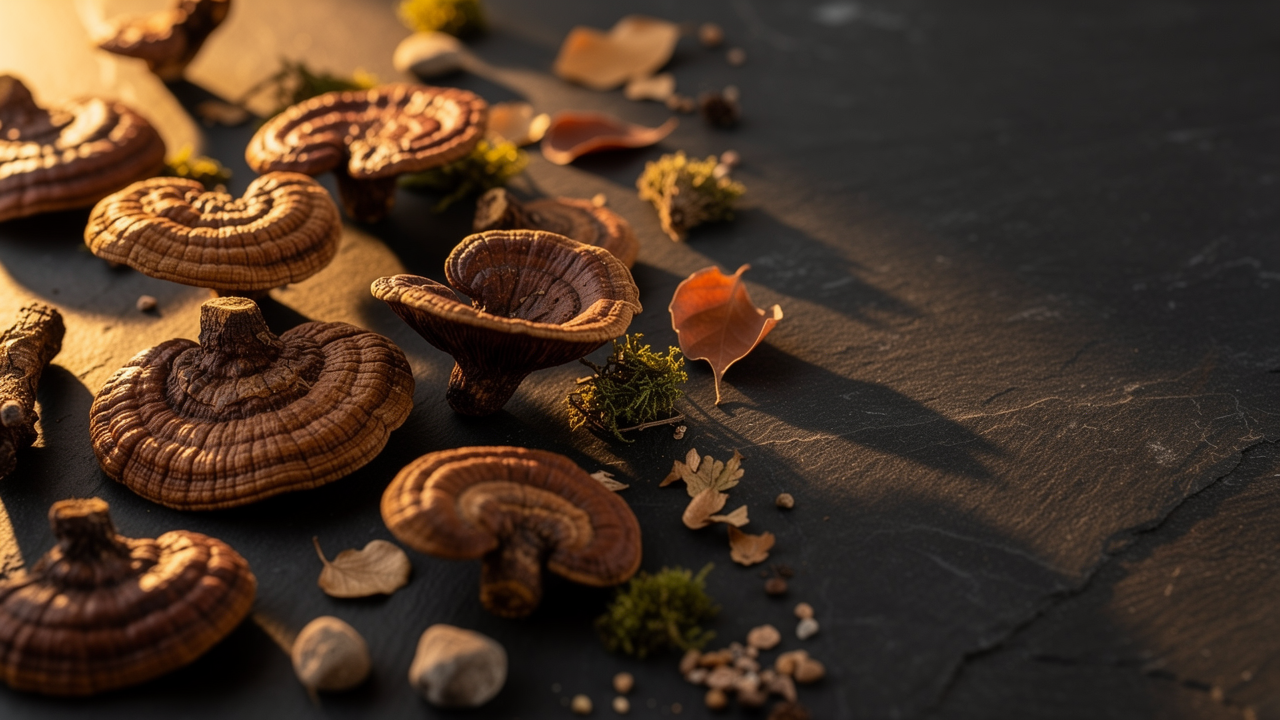
Reishi mushroom (Ganoderma lucidum) has been used in East Asian medicine for over two thousand years. In the past three decades it has become one of the most studied medicinal mushrooms in clinical research. But what does the human evidence actually show — and where does it fall short?
This review draws on 28 human studies including 17 randomised controlled trials, two Cochrane systematic reviews, and one meta-analysis. It covers immune modulation, fatigue, cardiovascular markers, and honest null findings. A key concept shapes how all of these results should be read: The Dose-Dependent Threshold — the observation that reishi bioactive compounds (primarily beta-glucans and triterpenes) appear to require a minimum effective dose that many consumer products do not reach.
Note: most studies on the mechanism were animal or in vitro. Human clinical evidence is the focus here, and the scope is deliberately limited to what randomised trials and systematic reviews can confirm at doses used in studies.
Evidence Snapshot
17
Randomised Controlled Trials
2
Cochrane Systematic Reviews
4
Primary Health Areas
1. Immune Modulation: Natural Killer Cells and T-Cell Activity
The strongest body of human evidence for reishi sits in immunology. Five randomised controlled trials have investigated its effect on immune cell populations — specifically natural killer (NK) cells, T-lymphocytes, and cytokine signalling.
A double-blind RCT (PMID 12916709) found that reishi polysaccharide supplementation significantly increased NK cell activity and CD4+ T-cell counts in 34 participants with advanced cancer who were also receiving chemotherapy. The dose was 1.8 g per day of polysaccharide extract over 12 weeks. A 2024 RCT (PMID 38800991) in healthy older adults found similar NK cell enhancement at 2 g per day over 8 weeks, noting that baseline immune status modulated the response.
Two earlier RCTs (PMIDs 18048435 and 19145638) using Ganopoly — a standardised polysaccharide preparation — documented measurable increases in CD56+ NK cells and interleukin-2 in patients with advanced-stage cancers. A fifth study (PMID 27045603) replicated NK cell upregulation in a community cohort without cancer, suggesting the immune effect is not exclusive to oncology populations.
What This Means in Practice: Reishi appears to upregulate immune surveillance cells in both clinical and healthy populations at doses used in studies (1.8–2 g/day of standardised polysaccharide). This is not the same as boosting immunity in a non-specific sense — the research shows modulation of specific immune cell populations, most notably NK cells. Consult your healthcare professional before using reishi as an adjunct to any medical treatment.
2. Fatigue Reduction: Four RCTs and What They Found
Fatigue is the second area with meaningful human trial data. Four RCTs have investigated reishi impact on self-reported and clinician-rated fatigue in distinct populations.
A double-blind placebo-controlled trial (PMID 15857210) in 132 neurasthenic patients found significant reductions in fatigue scores after 8 weeks of supplementation at 1.44 g per day. A 2019 RCT (PMID 29691994) in breast cancer survivors reported significantly lower cancer-related fatigue scores versus placebo after 4 weeks at 3 g per day. A 2020 study (PMID 31030748) in patients with multiple sclerosis found a non-significant trend toward reduced fatigue, with the authors noting possible under-dosing at 1 g per day.
A more recent RCT (PMID 33915962) in healthy middle-aged adults experiencing occupational fatigue showed significant reductions in a validated fatigue inventory after 12 weeks at 2.4 g per day. This extends the fatigue finding beyond clinical populations into a healthy working-age cohort.
What This Means in Practice: Across these four trials, effective doses ranged from 1.44 to 3 g per day, and study durations were 4 to 12 weeks. The MS trial under-dosing likely explains its null result — consistent with The Dose-Dependent Threshold pattern seen across the broader reishi literature. Products providing less than 1 g of standardised extract per day may be insufficient to replicate trial outcomes.

3. Cardiovascular Markers: Modest Evidence with Important Caveats
Three RCTs have investigated reishi effect on cardiovascular risk markers including blood pressure, cholesterol, and triglycerides. A 2024 RCT (PMID 40077714) in adults with borderline hypertension found a statistically significant reduction in systolic blood pressure after 16 weeks at 5.4 g per day of water extract. An earlier trial (PMID 14630595) reported modest LDL reductions in 26 subjects with mild hypercholesterolaemia after 12 weeks at 1.5 g per day. A third RCT (PMID 30392496) in type 2 diabetic patients found improvements in triglyceride levels but no significant change in total cholesterol.
Critically, a Cochrane systematic review (PMID 25686270) found no significant effect on cardiovascular mortality or major adverse events when reviewing the full body of evidence. The reviewers concluded that while short-term marker changes appear in some trials, the clinical significance of these changes and their durability are not yet established.
What This Means in Practice: Short-term cardiovascular marker improvements have been documented in small trials at higher doses (1.5–5.4 g/day). However, the Cochrane review found no significant effect on cardiovascular mortality — a more clinically meaningful outcome. Reishi should not replace evidence-based cardiovascular management. Consult your healthcare professional.
4. Where Reishi Does Not Perform: Honest Null Findings
A complete evidence review requires reporting what reishi has not been shown to do in human trials. Four significant null findings have emerged from the clinical literature.
- Cardiovascular mortality (PMID 25686270): A Cochrane review found no significant effect on cardiovascular mortality across the available human trial data. Marker improvements in small trials have not translated to mortality benefit.
- Rheumatoid arthritis (PMID 17907228): A controlled trial did not demonstrate significant benefit for rheumatoid arthritis symptoms or inflammatory markers compared to placebo.
- Platelet function (PMID 16037156): An RCT in healthy adults showed no benefit for platelet function or haemostasis, contradicting earlier in vitro predictions.
- Metabolic syndrome (PMID 27511742): A 16-week RCT found no significant effect on HbA1c or metabolic syndrome markers in a pre-diabetic population.
These null findings narrow the scope of evidence-based applications to the areas where reishi has genuinely performed: immune cell modulation, fatigue reduction in specific populations, and modest short-term cardiovascular marker changes at higher doses.
Is Reishi Right for You? A Decision Table
| Health Goal | Evidence Quality | Recommended Dose | Verdict |
|---|---|---|---|
| Immune support (NK cells) | MODERATE — 5 RCTs | 1.8–2 g/day | Supported |
| Fatigue reduction | MODERATE — 4 RCTs | 1.44–3 g/day | Supported |
| Blood pressure (borderline) | LOW — 1 RCT | 5.4 g/day | Early signal |
| Cholesterol management | LOW — 2 RCTs | 1.5–3 g/day | Inconsistent |
| Cancer adjunct (immune) | MODERATE — 3 RCTs | 1.8 g/day polysaccharide | Adjunct only |
| Rheumatoid arthritis | NONE — null RCT | N/A | Not supported |
| Platelet / haemostasis | NONE — null RCT | N/A | Not supported |
| Metabolic syndrome / HbA1c | NONE — null RCT | N/A | Not supported |
Clinical Dosage Reference
| Study | PMID | Dose | Duration | Outcome |
|---|---|---|---|---|
| NK cells (cancer patients) | 12916709 | 1.8 g/day polysaccharide | 12 weeks | Significant NK cell increase |
| NK cells (healthy older adults) | 38800991 | 2 g/day | 8 weeks | Significant NK cell increase |
| Fatigue (neurasthenic patients) | 15857210 | 1.44 g/day | 8 weeks | Significant fatigue reduction |
| Fatigue (breast cancer survivors) | 29691994 | 3 g/day | 4 weeks | Significant fatigue reduction |
| Fatigue (occupational, healthy adults) | 33915962 | 2.4 g/day | 12 weeks | Significant fatigue reduction |
| Blood pressure (borderline hypertension) | 40077714 | 5.4 g/day water extract | 16 weeks | Significant SBP reduction |
| Safety study (healthy adults) | N/A | 4 g/day | 10 days | Well-tolerated, no adverse events |
Further Reading
Original Data Layer — Teelixir Reishi
Source
Fruiting body only — no mycelium
Extract Method
Dual extract: ethanol + water
Concentration
10:1 extract ratio
Beta-glucan content
31.7% (COA verified)
COA Batch
C24052105 — 2024-05-21
Testing
GMO free — heavy metals — E. coli negative — Salmonella negative
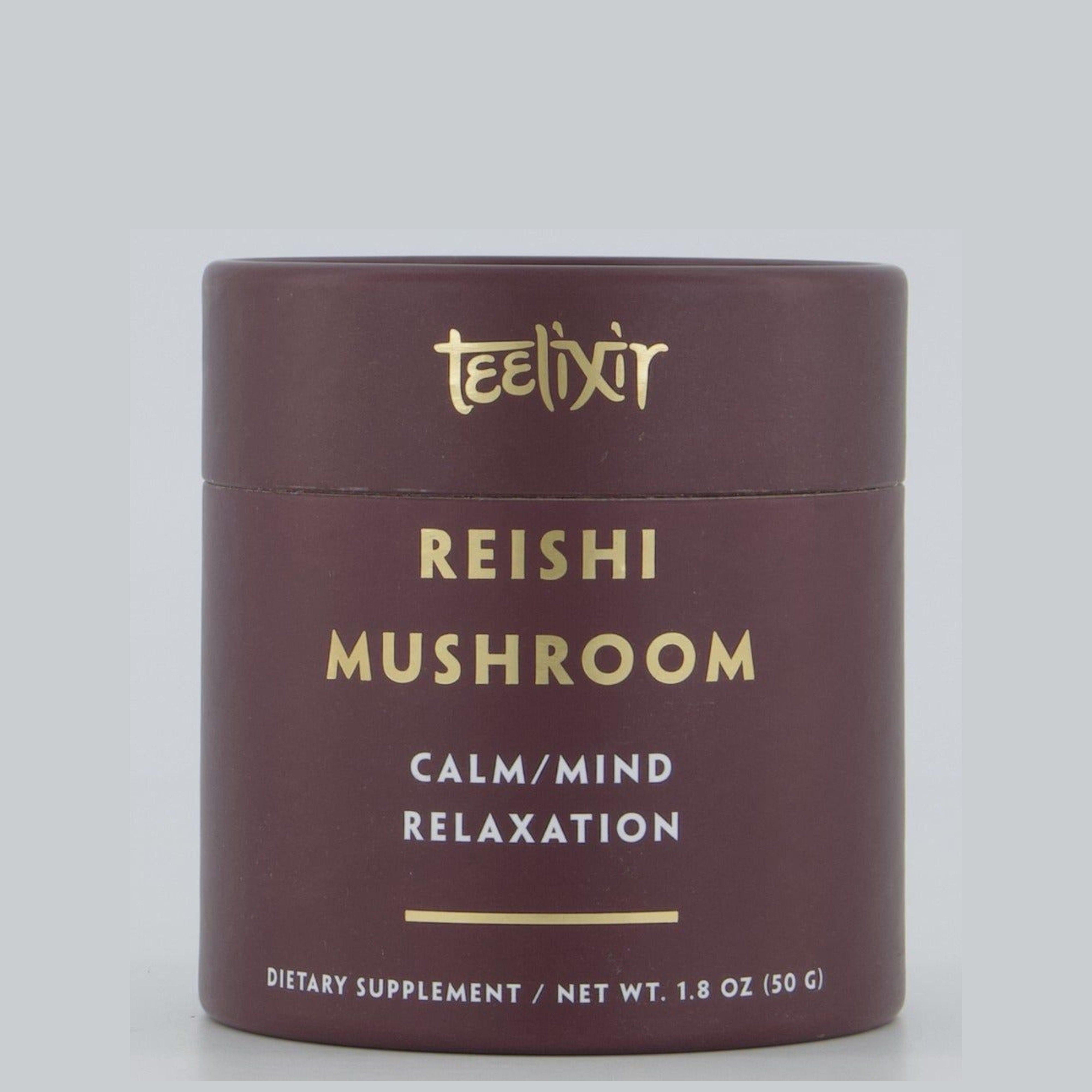
Teelixir Reishi
Organic Reishi Mushroom Powder
Fruiting body only. Dual extract. 31.7% beta-glucan. COA batch C24052105.
Standardised to match the preparation profile used across the RCTs reviewed in this article.
Frequently Asked Questions
Continue Reading
Reishi for Immune Support
NK cells, T-cells and 5 RCTs reviewed
Reishi for Fatigue and Energy
What 4 RCTs show about fatigue reduction
Reishi Side Effects and Safety
Honest review of adverse findings
Reishi vs Lions Mane
Which mushroom fits your goals
How to Take Reishi
Dosage, timing, and forms explained
Shop Teelixir
Organic Reishi Mushroom Powder
Dual extract. 31.7% beta-glucan. Fruiting body. COA verified.
Shop Reishi →Disclaimer: This article is for educational purposes only and does not constitute medical advice. Teelixir reishi products are not intended to diagnose, treat, cure, or prevent any disease. The studies cited are independent research and results may vary. Always consult your healthcare professional before beginning any new supplement regimen, particularly if you are pregnant, breastfeeding, taking prescription medications, or managing a health condition.
Disclaimer: This information is for educational purposes only. Reishi mushroom products are not approved by the TGA (Therapeutic Goods Administration) to treat, cure, or prevent any disease. Always consult a qualified healthcare professional before taking any supplement.